
Anúncios
The 2026 High School Football Recruiting Landscape: 3 Key Changes Affecting Student-Athletes Now (RECENT UPDATES)
The world of college football recruiting is a constantly shifting terrain, and for the class of 2026, the ground beneath their feet is moving faster than ever. What was once a relatively predictable path has become a complex matrix of opportunities and challenges, driven by significant systemic changes within collegiate athletics. Aspiring student-athletes and their families must adapt quickly to these new realities to navigate the process successfully. This comprehensive guide will dissect the three most impactful changes shaping 2026 Football Recruiting, providing invaluable insights and actionable advice for those aiming to play at the next level.
Anúncios
Understanding these shifts isn’t just about gaining an edge; it’s about making informed decisions that can profoundly affect a young athlete’s academic, athletic, and personal future. From the burgeoning influence of Name, Image, and Likeness (NIL) deals to the seismic ripples of the transfer portal and the accelerating timeline for early commitments, the journey to college football is no longer linear. Let’s dive deep into what these changes mean for the class of 2026.
Anúncios
1. The Transformative Power of Name, Image, and Likeness (NIL) Deals in 2026 Football Recruiting
Perhaps no single factor has reshaped college athletics more dramatically than the introduction of Name, Image, and Likeness (NIL) rights. What began as a concept to allow college athletes to profit from their personal brand has quickly evolved into a powerful recruiting tool, and its implications for 2026 Football Recruiting are profound and far-reaching. For high school athletes, understanding NIL is no longer a luxury; it’s a necessity.
Early Awareness and Brand Building
For the 2026 class, NIL isn’t just something that happens once they reach college; it’s a consideration that begins in high school. Coaches and recruiters are increasingly evaluating an athlete’s marketability and potential for NIL earnings even before they step onto a college campus. This means that developing a personal brand, cultivating a positive online presence, and understanding the basics of personal finance and contract negotiation are becoming critical skills. Athletes with a strong social media following, a compelling personal story, or unique talents beyond the field may find themselves with an unexpected advantage.
The Role of Collectives and Donor Influence
The landscape of NIL is largely driven by ‘collectives’ – independent organizations often formed by alumni and boosters to facilitate NIL opportunities for student-athletes. These collectives can offer significant financial incentives, which can heavily influence a recruit’s decision. For the 2026 class, this means that the financial health and structure of a school’s NIL collective will be a significant factor in their recruitment. Families need to ask tough questions about a school’s NIL infrastructure: How are deals structured? What kind of support does the school offer for NIL education? Is there transparency in the process?
Navigating the Legal and Ethical Minefield
While NIL offers exciting opportunities, it also presents a complex legal and ethical landscape. Regulations are still evolving at both state and national levels, creating a patchwork of rules that can be challenging to navigate. High school athletes and their families must seek expert advice to understand potential pitfalls, ensure compliance, and protect their interests. This includes understanding tax implications, potential conflicts of interest, and the enforceability of NIL contracts. The promise of significant earnings can be enticing, but a clear-eyed understanding of the responsibilities and risks involved is paramount for the 2026 Football Recruiting class.
2. The Transfer Portal’s Ripple Effect on 2026 Football Recruiting Opportunities
The NCAA Transfer Portal has fundamentally altered how college football rosters are built and maintained. What was once a tool for athletes seeking a fresh start has become a dynamic, year-round marketplace. The implications for high school athletes, particularly those in the 2026 class, are substantial, creating both new avenues and increased competition.
Increased Roster Fluidity and Scholarship Availability
The most immediate impact of the transfer portal is the constant flux in college rosters. Coaches are no longer solely focused on high school recruiting; they are also actively recruiting from the portal to fill immediate needs. This means that scholarship availability can change rapidly, sometimes even weeks before National Signing Day. For 2026 Football Recruiting, this fluidity can be a double-edged sword. On one hand, it might open up unexpected opportunities at schools that suddenly have a need. On the other hand, it can mean that a committed spot might be filled by a more experienced transfer, pushing a high school recruit further down the depth chart or even out of a scholarship offer.
A More Competitive Landscape for High School Recruits
With colleges increasingly relying on proven talent from the transfer portal, the competition for high school recruits has intensified. Programs often prioritize transfers who can contribute immediately, leaving fewer scholarships for developmental high school prospects. This places an even greater emphasis on early identification, strong performance, and proactive communication for the 2026 class. High school athletes must not only demonstrate their athletic prowess but also illustrate their potential for growth and their commitment to a program, understanding that they are competing not just against their peers but also against experienced college players in the portal.
Strategic Recruiting and Player Development
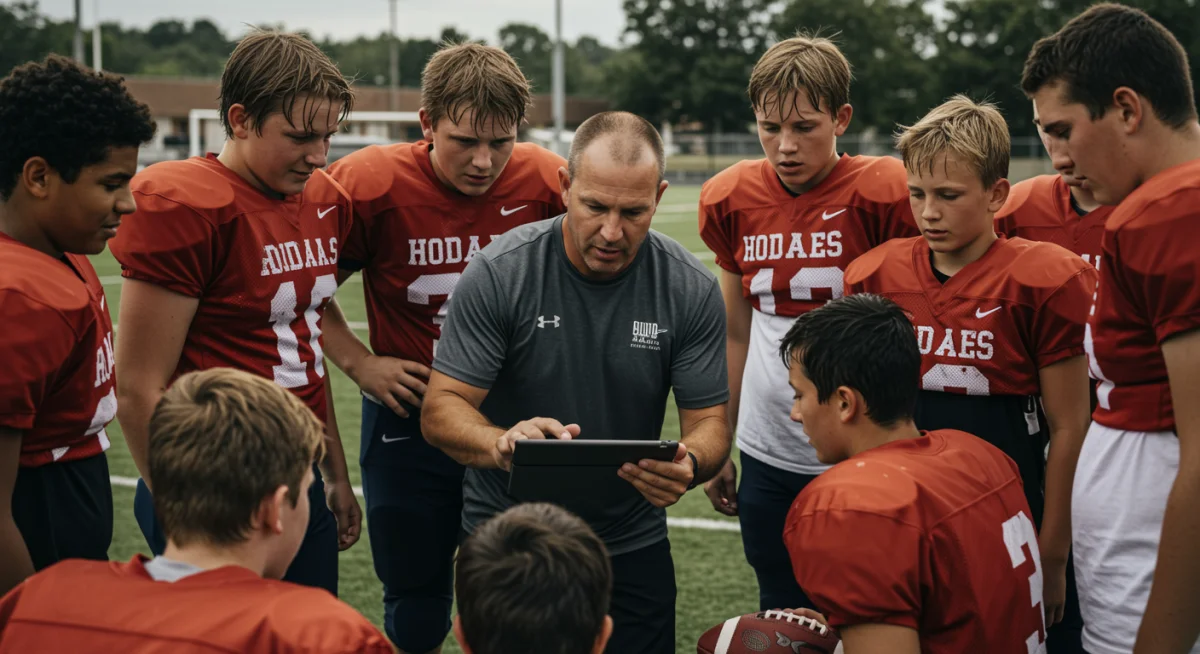
Colleges are becoming more strategic in how they balance high school recruiting with transfer portal acquisitions. Some programs might focus on recruiting high school athletes for specific positions where they need long-term development, while using the portal to plug immediate gaps. For the 2026 class, this means understanding a program’s recruiting philosophy is more important than ever. Do they prioritize developing high school talent, or do they lean heavily on the portal? Asking these questions during the recruiting process can help athletes find the right fit where they have the best chance for playing time and development.
3. The Accelerating Timeline of Early Commitments and What It Means for 2026 Football Recruiting
The trend of early commitments has been a feature of college football recruiting for years, but for the 2026 class, this timeline is accelerating at an unprecedented pace. Athletes are receiving offers and making verbal commitments earlier than ever before, creating a ‘domino effect’ that pressures younger recruits to make decisions sooner.
The Pressure to Commit Early
It’s not uncommon now for athletes to receive their first Division I offers during their freshman or sophomore year of high school. This early attention, while exciting, often comes with unspoken pressure to commit. Coaches want to secure top talent early, and a verbal commitment can feel like a safety net for a young athlete. However, committing too early can also limit opportunities, as an athlete might miss out on offers from other schools that emerge later in their high school career. For 2026 Football Recruiting, families must weigh the benefits of an early commitment against the potential for better opportunities down the line.
The ‘De-Commitment’ Phenomenon
With early commitments comes an increased likelihood of ‘de-commitments.’ As athletes mature, their priorities might change, new coaching staffs emerge, or better opportunities arise. While de-committing is a part of the modern recruiting process, it can be emotionally taxing and requires careful navigation. The 2026 class needs to understand that a verbal commitment is not binding until the National Letter of Intent is signed, but also that breaking a commitment can impact relationships and perceptions within the recruiting community. It’s a delicate balance between securing a spot and keeping options open.
Strategic Visits and Evaluation
The accelerated timeline means that official and unofficial visits take on greater importance earlier in the process. For the 2026 class, making the most of these visits to truly evaluate a school’s academic fit, athletic program, coaching staff, and campus culture is crucial. It’s not just about the football; it’s about finding a place where an athlete can thrive holistically for four years or more. Families should encourage their athletes to ask direct questions, observe interactions, and trust their instincts during these visits, rather than feeling rushed into a decision based solely on an early offer.
Preparing for Success in 2026 Football Recruiting
Navigating the complex landscape of 2026 Football Recruiting requires more than just athletic talent. It demands strategic planning, proactive communication, and a comprehensive understanding of the evolving rules and trends. Here are some key areas where student-athletes and their families can focus to maximize their chances of success:
Academic Excellence Remains Paramount
Despite the flash and excitement of NIL and early offers, academic achievement remains the bedrock of college recruiting. Strong grades and high test scores open doors to more scholarship opportunities, provide greater flexibility in school choice, and demonstrate a commitment to success beyond the football field. Coaches want well-rounded individuals who can perform in the classroom as well as on the gridiron. For the 2026 class, maintaining a high GPA and preparing for standardized tests like the SAT and ACT should be a top priority from the very beginning of high school.
Proactive Communication and Self-Advocacy
In today’s competitive environment, waiting for colleges to find you is a risky strategy. Student-athletes in the 2026 class need to be proactive in their communication with college coaches. This includes creating a professional highlight reel, maintaining an updated recruiting profile, sending introductory emails, and following up consistently. Learning to advocate for oneself, articulating one’s strengths, and asking pertinent questions during interactions with coaches are invaluable skills that can set an athlete apart. Remember, recruiting is a two-way street, and demonstrating genuine interest is crucial.
Leveraging Technology and Social Media Responsibly
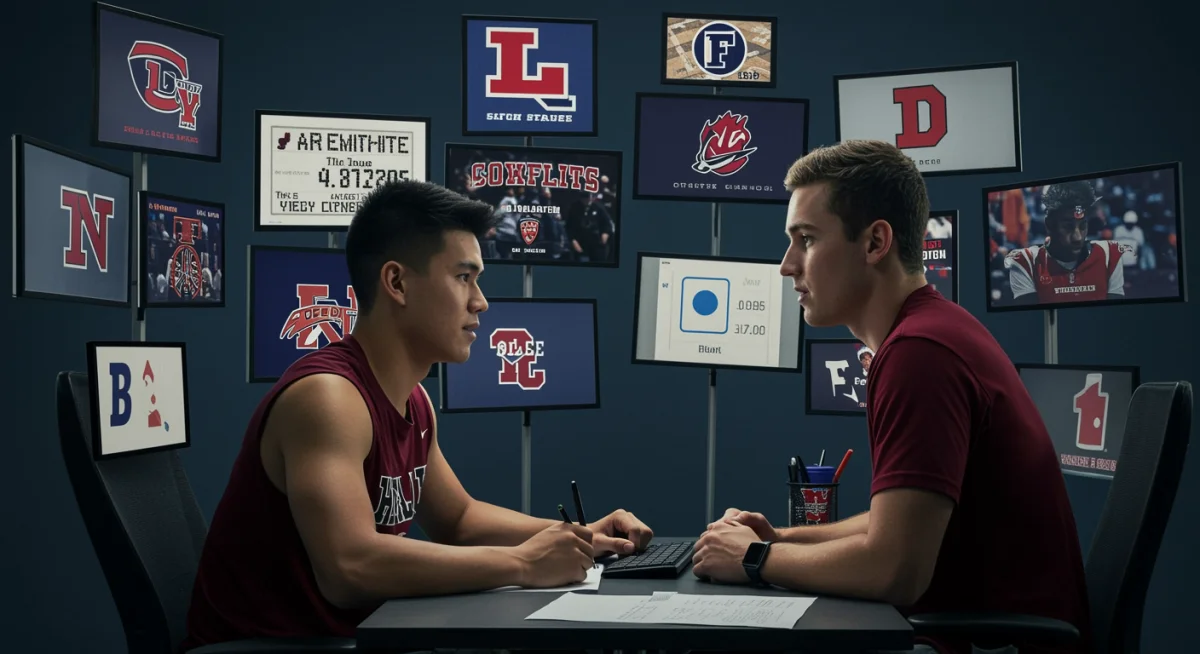
Social media platforms and recruiting websites have become indispensable tools in 2026 Football Recruiting. They offer athletes a direct line to coaches and a platform to showcase their skills. However, responsible use is key. A clean, professional online presence can be a significant asset, while inappropriate content can quickly derail recruiting efforts. Athletes should use social media to highlight their athletic achievements, academic success, and positive character traits. Regularly updating highlight videos and engaging positively with college programs can significantly boost visibility.
Seeking Guidance and Mentorship
The recruiting process can be overwhelming, and trying to navigate it alone is often a recipe for stress and missed opportunities. Seeking guidance from high school coaches, reputable recruiting services, and mentors who have been through the process can provide invaluable insights. These resources can help decipher complex NCAA rules, provide honest evaluations, assist with highlight video creation, and offer support during decision-making. For the 2026 class, building a strong support system is as important as building a strong athletic profile.
Focusing on Development, Not Just Offers
While offers are exciting, the ultimate goal is to be prepared to succeed at the collegiate level. This means a relentless focus on physical development, skill refinement, and understanding the nuances of the game. Athletes should prioritize working with qualified trainers, attending camps that offer meaningful instruction, and constantly striving to improve their craft. An athlete who is truly prepared for college football will not only attract offers but will also be equipped to make an immediate impact, regardless of the evolving recruiting landscape.
Understanding the Long-Term Vision for 2026 Football Recruiting
The journey through 2026 Football Recruiting is not merely about securing a scholarship; it’s about finding the right fit for holistic development. This encompasses academic rigor, athletic challenge, social environment, and personal growth. The decisions made during this period will shape an athlete’s next four to five years, and potentially their entire future. Therefore, a long-term vision is crucial.
Beyond the Initial Offer: Evaluating Program Fit
When an offer comes, it’s easy to get caught up in the excitement. However, the 2026 class must look beyond the immediate allure. What is the coaching staff’s philosophy? What is the team culture like? What kind of academic support is available for student-athletes? How does the strength and conditioning program operate? These are the questions that define a ‘fit’ and ultimately contribute to an athlete’s success and well-being. A program that invests in its players not just as athletes but as individuals will provide a more enriching collegiate experience.
Considering the ‘What If’ Scenarios
The transfer portal has taught us that college football careers are rarely linear. For the 2026 class, it’s prudent to consider ‘what if’ scenarios. What if there’s a coaching change? What if playing time is harder to come by than expected? What if an injury occurs? Choosing a school that offers strong academics and a solid support system means that even if the football path takes an unexpected turn, the athlete still has a strong foundation for their future. This foresight is a critical component of navigating modern recruiting.
The Evolving Role of Parents and Guardians
Parents and guardians play an increasingly vital role in 2026 Football Recruiting. They are often the primary navigators of the process, acting as researchers, advocates, and emotional support systems. Their role extends to understanding NIL regulations, evaluating financial implications, and ensuring their child’s well-being throughout what can be an incredibly stressful period. Open communication within the family, along with a clear understanding of the athlete’s priorities and goals, will be essential for making sound decisions.
Conclusion: Adapting to the New Era of 2026 Football Recruiting
The 2026 Football Recruiting landscape is defined by dynamic changes that demand adaptability, strategic thinking, and a proactive approach from student-athletes and their families. The rise of NIL, the pervasive influence of the transfer portal, and the accelerating timeline of commitments have created a complex, yet opportunity-rich, environment.
Success in this new era hinges on more than just raw talent. It requires a commitment to academic excellence, a sophisticated understanding of personal brand building, responsible engagement with technology, and a willingness to seek expert guidance. By focusing on holistic development, making informed decisions, and maintaining a long-term perspective, the class of 2026 can confidently navigate these changes and realize their dreams of playing college football. The future of recruiting is here, and those who understand and embrace its nuances will be best positioned for triumph.