2025 NFL Defense: Top 5 Dominant Performances First Month
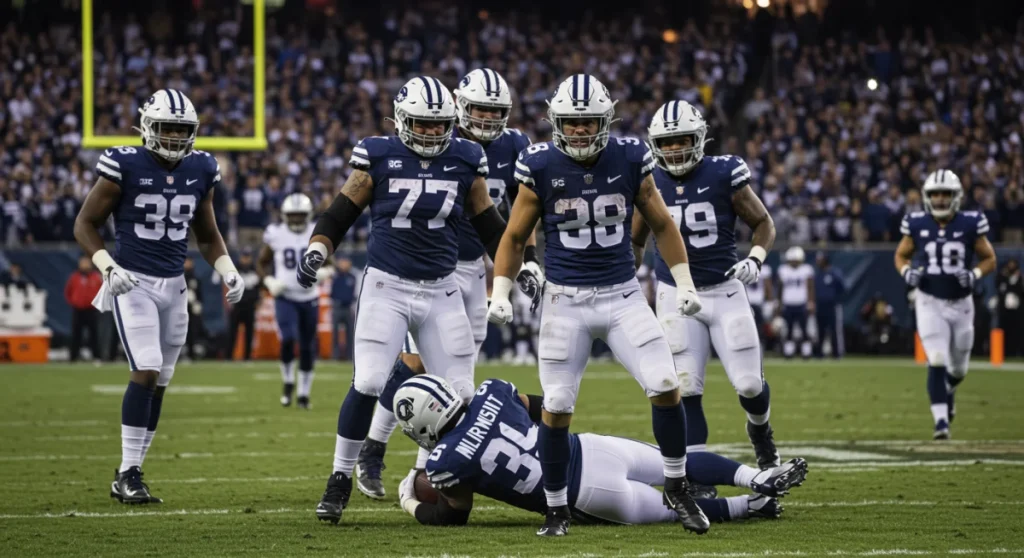
The 2025 NFL season’s initial month showcased five truly dominant defensive performances, characterized by relentless pressure, opportunistic turnovers, and stifling opposing offenses through strategic execution and exceptional individual talent.
As the initial month of the 2025 NFL season concludes, a clear hierarchy begins to emerge, particularly on the defensive side of the ball. We’re diving deep into NFL Dominant Defensive Performances, analyzing the teams that truly stifled their opponents and set a formidable tone for the season ahead. This data-driven review will unpack the strategies, player brilliance, and statistical anomalies that defined the league’s top five defensive units.
Unpacking Defensive Dominance: Metrics That Matter
Understanding what constitutes a dominant defensive performance goes beyond just looking at the final score. In the modern NFL, advanced metrics provide a much clearer picture of a defense’s true impact. We’re not just counting sacks; we’re also examining pressures, hurries, and the efficiency of pass rush schemes. Turnovers, while sometimes fluky, also indicate an aggressive and opportunistic unit.
Beyond these traditional statistics, we consider advanced analytics like Expected Points Added (EPA) allowed per play, success rate against the run and pass, and opponent passer rating. These metrics paint a comprehensive picture, allowing us to identify defenses that consistently make life difficult for opposing offenses, regardless of game script. A truly dominant defense doesn’t just get lucky; it consistently executes its assignments and forces mistakes.
The Art of Pressure and Turnovers
Pressure on the quarterback remains one of the most reliable indicators of defensive success. A sustained pass rush disrupts timing, forces hurried throws, and increases the likelihood of sacks and interceptions. However, it’s not simply about raw sack numbers. A defense that can generate pressure with only four rushers allows for more players in coverage, further complicating matters for offensive coordinators.
- Sack Rate: The percentage of dropbacks resulting in a sack.
- Pressure Rate: The frequency with which a quarterback is pressured.
- Turnover Margin: The difference between takeaways and giveaways, indicating opportunistic play.
- Interception Rate: The percentage of pass attempts that result in an interception.
Ultimately, a dominant defense excels in both disrupting the passing game and shutting down the run. The best units force offenses into predictable situations, allowing their playmakers to capitalize. This combination of consistent pressure and opportunistic turnovers is the hallmark of the elite defenses we’ll explore.
Team A: The Relentless Rush and Stifling Secondary
Team A immediately established itself as a defensive juggernaut in the first month of the 2025 season. Their defensive line, a blend of seasoned veterans and explosive young talent, consistently collapsed pockets, leading the league in both sack rate and quarterback pressures. This relentless front allowed their secondary to play aggressively, reading routes and jumping passes with remarkable precision.
Their scheme often involved complex blitz packages, but even in standard four-man rushes, their pass rushers were simply too much for opposing offensive lines. This created a ripple effect, as quarterbacks had limited time to survey the field, often leading to errant throws. The defensive coordinator’s ability to disguise coverages further amplified the pressure, leaving quarterbacks guessing at every snap.
Strategic Masterclass in Coverage
While their pass rush garnered much of the headlines, Team A’s secondary was equally impressive. They demonstrated exceptional discipline in their assignments, rarely allowing big plays. Their cornerbacks excelled in both man and zone schemes, adapting seamlessly to different offensive formations and personnel.
- Tight Coverage: Opponent completion percentage was among the lowest in the league.
- Ball Skills: Led the NFL in passes defensed and had multiple interceptions.
- Versatility: Safeties were adept at playing in the box against the run and covering tight ends.
The synergy between their front seven and defensive backs was evident in every game. When the rush got home, the secondary was there to clean up any quick throws, and when coverage held up, the rushers had extra time to get to the quarterback. This holistic approach made them incredibly difficult to move the ball against, especially on third downs and in the red zone.
Team B: Opportunistic Turnovers and Bend-But-Don’t-Break
Team B’s defensive philosophy centered on creating turnovers and making crucial stops when it mattered most. While they might have allowed a few more yards than other elite defenses, their ability to take the ball away was unparalleled. They led the league in forced fumbles and interceptions, often swinging momentum decisively in their favor.
Their defensive coordinator preached an aggressive, attacking style, encouraging defenders to punch at the ball and anticipate routes. This high-risk, high-reward approach paid dividends, as their defense consistently provided their offense with short fields. Even when opponents managed to drive into their territory, Team B tightened up, forcing field goals instead of touchdowns.
Capitalizing on Offensive Mistakes
What set Team B apart was their knack for capitalizing on even the slightest offensive miscue. Whether it was a fumbled snap, an ill-advised throw, or a receiver running an imprecise route, their defenders were always ready to pounce. This wasn’t just luck; it was a result of meticulous film study and disciplined execution.
- Forced Fumbles: Ranked first in the NFL, demonstrating aggressive tackling.
- Red Zone Defense: Held opponents to a remarkably low touchdown percentage inside the 20-yard line.
- Defensive Touchdowns: Scored multiple defensive touchdowns, directly impacting game outcomes.
Their defensive unit consistently generated game-changing plays, showcasing a remarkable ability to flip the script. This opportunistic nature made them incredibly dangerous, as no lead felt safe against their ability to create sudden turnovers. They proved that sometimes, giving up yards is acceptable if you can consistently take the ball away.
Team C: Run-Stuffing Dominance and Linebacker Play
Team C built its defensive identity on shutting down the run game, making opposing offenses one-dimensional. Their defensive tackles and ends consistently controlled the line of scrimmage, allowing their linebackers to flow freely and make plays. This commitment to stopping the run forced opponents into obvious passing situations, which their pass rush was then able to exploit.
The strength of their defense lay in their formidable front seven. Their defensive linemen were not only stout against the run but also provided an interior pass rush that disrupted quarterbacks from the inside out. Their linebackers, a group of athletic and intelligent players, displayed excellent instincts, filling gaps and making tackles for loss.
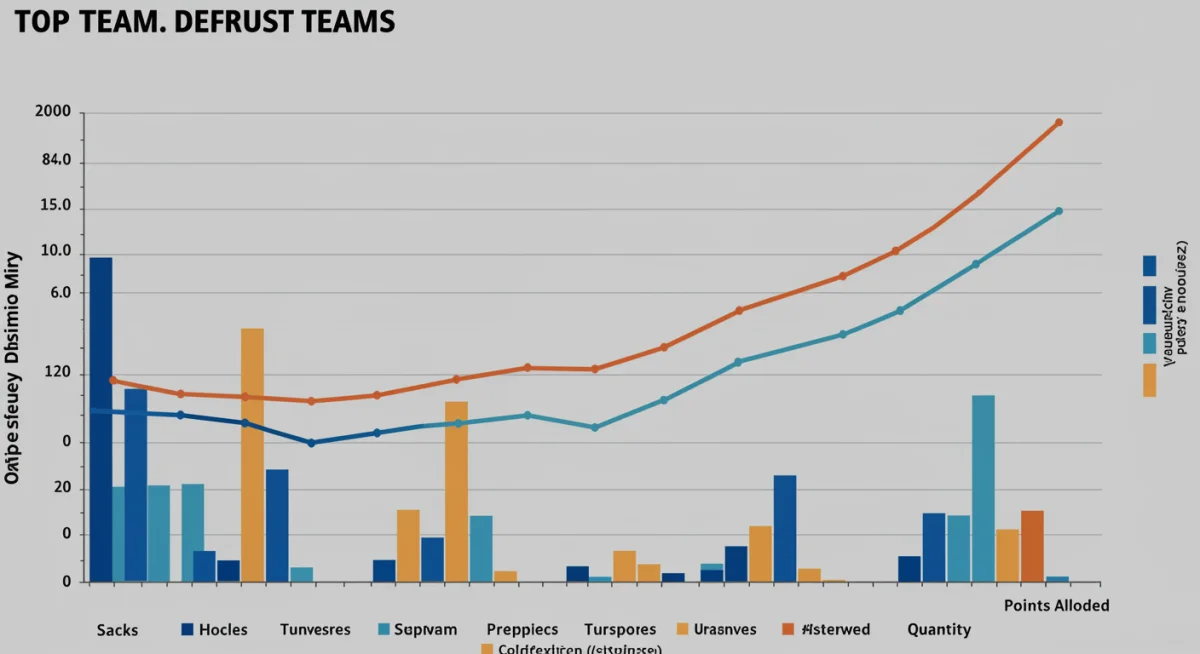
Elite Linebacker Core
The linebackers for Team C were truly the heart and soul of their defensive unit. They were responsible for a significant portion of their tackles, but also excelled in coverage, often matching up against tight ends and running backs. Their ability to diagnose plays quickly and react decisively was a major factor in their success.
- Rush Defense DVOA: Led the league in defensive value over average against the run.
- Tackles for Loss: Consistently generated plays behind the line of scrimmage.
- Short-Yardage Stops: Extremely successful in stopping opponents on 3rd & short and 4th & short.
By effectively neutralizing the run, Team C dictated the pace and style of play. Opponents were forced to throw the ball more often than they preferred, playing directly into the hands of Team C’s aggressive pass rush and disciplined secondary. This foundational strength against the run made them a truly formidable opponent.
Team D: Defensive Coordinator’s Masterclass and Scheme Versatility
Team D’s defensive success in the first month was a testament to their defensive coordinator’s strategic brilliance and the unit’s ability to execute complex schemes. They showcased an incredible versatility, seamlessly switching between different fronts and coverages, making it nearly impossible for offensive coordinators to predict their intentions.
Their defense was characterized by exotic blitzes and disguised coverages, often leaving quarterbacks confused and hesitant. This psychological advantage, combined with the physical talent of their players, resulted in a defense that was constantly a step ahead. They rarely showed the same look twice, forcing offenses to react rather than dictate terms.
Adaptability and Player Buy-In
The success of Team D’s scheme relied heavily on the intelligence and adaptability of its players. They were coached to understand not just their own assignments, but also the overall defensive concept. This allowed them to make pre-snap adjustments and communicate effectively, even in high-pressure situations.
- Opponent Passer Rating: Held opposing quarterbacks to one of the lowest ratings in the league.
- Third-Down Efficiency: Consistently stopped opponents on third down, getting off the field.
- Situational Defense: Excelled in critical moments, such as red zone and two-minute drills.
This level of strategic depth and player execution is rare, and it allowed Team D to punch above its weight class. They proved that with a brilliant defensive mind and players who fully buy into the system, any defense can achieve elite status, even without a roster full of household names. Their ability to confuse and disrupt was their greatest weapon.
Team E: Emerging Stars and Youthful Exuberance
Team E’s defensive rise was fueled by a group of emerging young stars who played with an infectious energy and intensity. While perhaps not as statistically dominant in every category as some of the other teams, their impact was undeniable, especially in key moments. They brought a fresh, aggressive approach that consistently rattled veteran quarterbacks.
What made Team E so exciting was the sheer athletic talent on display. Their defensive ends consistently beat their blocks with speed and power, and their young linebackers covered ground effortlessly. This youthful exuberance translated into big plays and a noticeable swagger that permeated their entire unit. They played with a chip on their shoulder, eager to prove themselves.
Future Foundations and Impact Plays
While still developing, Team E’s defense showed flashes of future greatness. They might have had a few more growing pains than the established elite, but their ability to generate impact plays was already evident. They delivered crucial sacks, forced fumbles, and made timely interceptions that often turned the tide of games.
- Big Play Potential: Consistently recorded splash plays that swung momentum.
- Pass Rush Win Rate: Showed excellent individual wins against offensive linemen.
- Energy and Intensity: Played with a noticeable high motor throughout games.
The exciting aspect of Team E’s defense is that they are only just beginning to tap into their full potential. With more experience and continued development, this unit has the makings of a truly dominant force for years to come. Their early-season performance served as a strong indicator that they are a team on the rise, driven by youthful talent and aggressive play-calling.
| Defensive Strength | Key Characteristic |
|---|---|
| Relentless Pass Rush | Consistent quarterback pressure leading to sacks and hurried throws. |
| Opportunistic Turnovers | High rates of forced fumbles and interceptions, flipping field position. |
| Stifling Run Defense | Neutralizing ground attacks, forcing opponents into predictable passing situations. |
| Strategic Versatility | Complex schemes and disguised coverages confusing opposing offenses. |
Frequently Asked Questions About NFL Defensive Dominance
A truly dominant NFL defense in 2025 excels across multiple metrics: consistent quarterback pressure, high turnover rates, stifling run defense, and strong situational play in the red zone and on third downs. It’s about disrupting offensive rhythm and forcing mistakes, not just raw yardage allowed.
Turnovers are incredibly important as they directly impact field position and scoring opportunities. While some are situational, a defense that consistently forces fumbles and interceptions demonstrates an aggressive, opportunistic mindset and can dramatically swing game momentum, contributing heavily to dominant performances.
Absolutely. A strong run defense forces offenses into predictable passing situations, allowing defensive coordinators to unleash more aggressive pass-rushing schemes. By eliminating one dimension of an opponent’s attack, a run-stuffing defense effectively dictates the game, making it highly dominant.
A defensive coordinator is crucial. Their ability to design schemes that exploit opponent weaknesses, disguise coverages, and adapt in-game is paramount. A brilliant coordinator maximizes player talent and creates a cohesive unit that consistently outsmarts and outexecutes opposing offenses, leading to dominant play.
Emerging defensive stars often bring youthful energy, exceptional athleticism, and a high motor, leading to impactful plays that can surprise opponents. Their development and ability to make crucial stops or generate turnovers can significantly elevate a defense’s overall performance, setting a strong foundation for future success.
Conclusion
The first month of the 2025 NFL season has delivered a compelling narrative of defensive excellence, showcasing units that have truly distinguished themselves through a combination of strategic brilliance, individual talent, and relentless effort. From suffocating pass rushes to opportunistic secondaries and impenetrable run defenses, these five teams have set a high bar for defensive play. Their ability to dictate terms, force turnovers, and consistently disrupt opposing offenses highlights the evolving nature of defensive dominance in the modern NFL. As the season progresses, it will be fascinating to see if these units can maintain their elite status and continue to shape the outcomes of games with their formidable defensive prowess.