2026 High School Football Scouting: Beyond the Stats Evolution
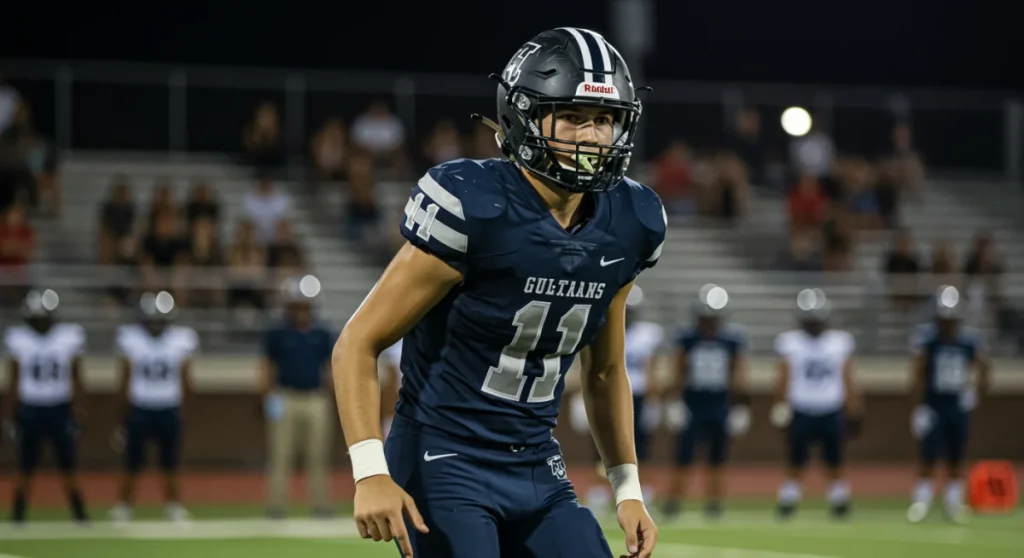
The future of 2026 high school football scouting reports is shifting from mere statistics to a holistic evaluation, integrating advanced analytics, psychological assessments, and character analysis, offering a deeper understanding of a player’s true potential.
The world of high school football recruiting is undergoing a seismic shift, and nowhere is this more evident than in the evolution of 2026 high school football scouting reports. Gone are the days when a standout stat sheet or a few impressive highlight reels were enough to catch the eye of top college programs. Today, scouts are delving far deeper, seeking a nuanced understanding of a player’s capabilities, character, and potential.
The Rise of Advanced Metrics in Player Evaluation
Traditional scouting has always relied on observable performance: touchdowns, tackles, yards gained. While these metrics remain foundational, the 2026 landscape is seeing a significant integration of advanced analytics, offering a more granular and objective view of a player’s impact. This shift is powered by sophisticated data collection and analysis tools.
Scouts are no longer just looking at the outcome; they are scrutinizing the process. This includes analyzing efficiency ratings, success rates in specific situations, and how a player performs under pressure. These advanced metrics provide insights that raw statistics often miss, revealing whether a player’s production is sustainable or merely a product of circumstance.
Unpacking Efficiency and Situational Awareness
Efficiency metrics go beyond simple completion percentages for quarterbacks or yards per carry for running backs. They assess how effectively a player utilizes their opportunities, considering factors like defensive pressure, field position, and game situation. For instance, a quarterback’s efficiency might be measured by their QBR (Quarterback Rating) in third-down situations, or a defensive back’s by their success rate in man-to-man coverage against top receivers.
- Quarterback Efficiency: Beyond completion percentage, scouts analyze decision-making under duress, accuracy on different throws, and how often a quarterback extends plays.
- Running Back Value: Focus shifts from pure yardage to yards after contact, broken tackles, and ball security in crucial moments.
- Defensive Impact: Evaluates not just tackles, but also pressures generated, pass deflections, and success in stopping plays at or behind the line of scrimmage.
The Role of Positional-Specific Analytics
Each position now has its own tailored set of analytics that reveal true performance. Offensive linemen, for example, are evaluated on their pass-blocking efficiency, run-block win rate, and ability to sustain blocks through the whistle. Wide receivers are assessed on their route running precision, separation creation, and contested catch rate, rather than just raw receiving yards.
This detailed approach allows scouts to identify players who might not have gaudy stats due to their team’s scheme or talent level but possess elite traits that translate well to the collegiate level. The emphasis is on identifying transferable skills rather than just current production.
The integration of advanced metrics has fundamentally changed how scouts identify talent. It provides a more objective and comprehensive foundation for evaluation, moving beyond the subjective eye test to a data-driven understanding of a player’s on-field capabilities and potential.
Psychological Profiling: Understanding the Mental Game
Beyond physical prowess and statistical output, the mental fortitude of a prospect is gaining significant traction in 2026 high school football scouting reports. Coaches recognize that talent alone is insufficient; a player’s psychological makeup, resilience, and leadership qualities are crucial indicators of collegiate success. This involves exploring aspects like competitive drive, ability to handle pressure, and coachability.
Scouts are increasingly employing tools and techniques borrowed from sports psychology to assess these intangible qualities. This can range from structured interviews and questionnaires to observing player interactions during practices and games. The goal is to understand how a player responds to adversity, celebrates success, and contributes to team dynamics.
Assessing Grit and Resilience
Grit, defined as passion and perseverance for long-term goals, is a highly valued trait. Scouts look for players who demonstrate an unwavering commitment to improvement, who bounce back quickly from mistakes, and who maintain a positive attitude even when faced with challenges. This resilience often separates good players from great ones when the stakes are higher at the college level.
- Handling Adversity: How does a player react after a dropped pass, a missed tackle, or a bad play? Do they get discouraged or refocus immediately?
- Work Ethic: Beyond practice, what extra effort do they put in? Are they consistently striving to improve their craft?
- Leadership: Do they inspire teammates, hold others accountable, and lead by example both on and off the field?
Coachability and Adaptability
A player’s willingness to learn, accept feedback, and adapt to new schemes or roles is paramount. College systems are complex, and coaches need players who can quickly grasp new concepts and execute them effectively. Scouts observe how players interact with their high school coaches, their attentiveness in team meetings, and their ability to adjust their play based on instructions.
Understanding a player’s psychological profile provides a more complete picture of their potential for growth and success in a demanding collegiate environment. It’s about finding athletes who not only have the physical tools but also the mental toughness to thrive under pressure and contribute positively to a team culture.
The Importance of Character and Off-Field Conduct
In the era of heightened scrutiny and social media, a player’s character and off-field conduct have become as critical as their on-field performance in 2026 high school football scouting reports. College programs invest heavily in their recruits, and they seek individuals who will represent their institution positively, both within the athletic department and in the broader community. This holistic assessment extends beyond the playing field.
Scouts are now performing more thorough background checks, speaking with teachers, counselors, and community leaders, and meticulously reviewing social media profiles. Any red flags related to academic performance, disciplinary issues, or questionable online behavior can significantly impact a prospect’s recruitment. Integrity and responsibility are non-negotiable qualities.
Academic Performance as a Key Indicator
Strong academic performance is no longer just a requirement for eligibility; it’s seen as an indicator of discipline, work ethic, and intellectual capacity. Players who excel in the classroom often demonstrate a similar commitment to their athletic endeavors. Admissions offices and coaching staffs collaborate closely to ensure recruits meet both athletic and academic standards.
- GPA and Test Scores: Essential for initial eligibility, but also viewed as a reflection of a player’s dedication and time management skills.
- Course Rigor: Taking challenging courses shows a willingness to push oneself academically, paralleling challenges on the field.
- Teacher Recommendations: Provides valuable insight into a student’s classroom behavior, responsibility, and engagement.
Navigating the Social Media Landscape
Social media has become a double-edged sword for recruits. While it can be a platform to showcase talent and personality, it can also expose indiscretions. Scouts and recruiters regularly monitor prospects’ online presence, looking for content that aligns with the values of their program and institution. Positive, respectful, and mature online behavior is expected.
A player’s character is a reflection of their values and can significantly influence team chemistry and public perception. College programs are increasingly prioritizing recruits who demonstrate strong character, knowing that these individuals are more likely to be positive contributors both on and off the field.
Technological Innovations in Scouting: AI and Virtual Reality
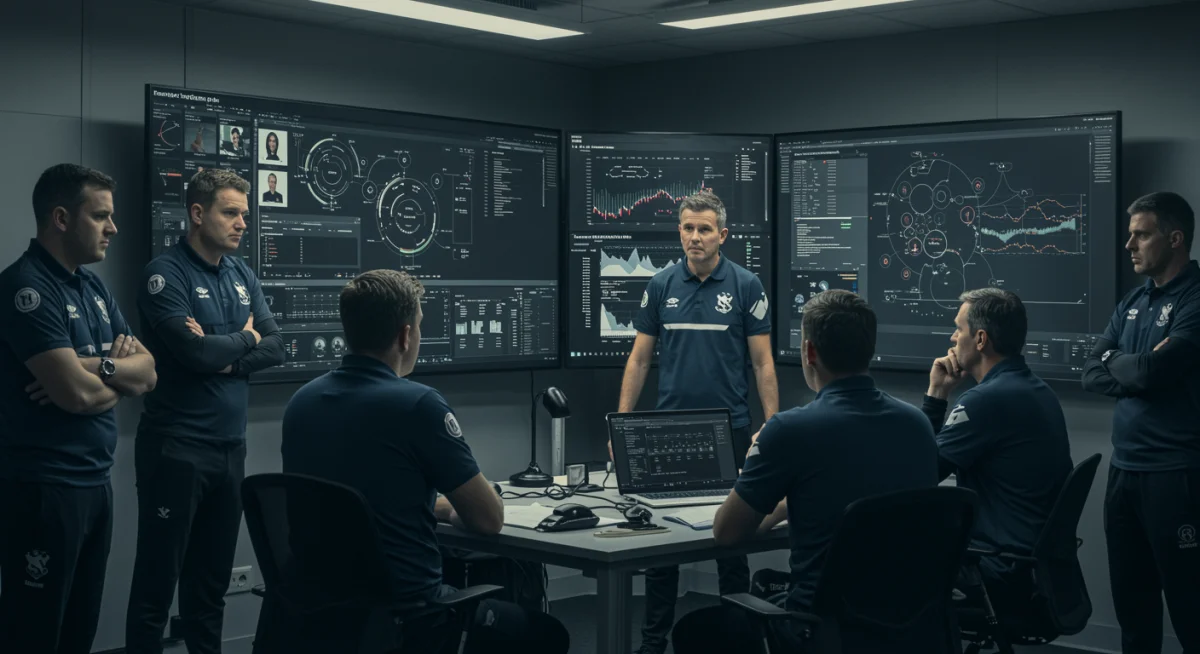
The technological revolution is sweeping through high school football scouting, with artificial intelligence (AI) and virtual reality (VR) emerging as powerful tools to enhance player evaluation for 2026 recruits. These innovations promise to provide unprecedented levels of data analysis and immersive experiences, allowing scouts to gain deeper insights into a player’s potential.
AI algorithms can process vast amounts of game footage and statistical data, identifying patterns and predicting future performance with greater accuracy than human analysis alone. VR, on the other hand, offers a way to simulate game situations, testing a player’s decision-making and reaction time in a controlled environment. These technologies are not replacing human scouts but augmenting their capabilities.
AI-Powered Performance Analysis
AI can meticulously break down every play, tracking individual player movements, assessing technique, and quantifying performance aspects that are difficult for the human eye to consistently evaluate. This includes analyzing things like a lineman’s first step quickness, a receiver’s route break efficiency, or a defensive back’s hip fluidity.
- Predictive Analytics: AI can identify patterns in a player’s performance that correlate with success at the next level, helping scouts predict how well a prospect will transition to college football.
- Injury Prevention: By analyzing biomechanical data, AI might even help identify potential injury risks, allowing for proactive training adjustments.
- Opponent Tendencies: AI can also help players and coaches understand opponent tendencies, improving game preparation.
Virtual Reality for Cognitive Assessment
VR allows scouts to put prospects into simulated game scenarios without the physical risk. Quarterbacks can practice reading defenses, linebackers can react to run plays, and defensive backs can cover receivers in a virtual environment. This measures cognitive processing speed, decision-making under pressure, and spatial awareness.
The integration of AI and VR is transforming scouting from a largely observational practice into a highly scientific and data-driven endeavor. These tools provide unprecedented depth in evaluation, allowing programs to make more informed decisions about their recruiting targets.
The Evolving Role of the Scout and Recruiting Coordinator
With the profound changes in how players are evaluated, the roles of the high school football scout and recruiting coordinator are also evolving significantly. For 2026 recruits, these individuals are no longer just talent spotters; they are data analysts, psychologists, and relationship managers, requiring a diverse skill set to navigate the modern recruiting landscape.
Scouts must now possess a strong understanding of analytics, be adept at interpreting complex data, and be able to communicate those insights effectively to coaching staffs. Recruiting coordinators, in turn, are responsible for managing vast amounts of information, coordinating evaluations across multiple departments, and building strong relationships with prospects and their families.
From Eye Test to Data Interpreter
While the ‘eye test’ remains important, scouts are increasingly complementing their observational skills with data literacy. They need to understand what the numbers mean, how they relate to on-field performance, and how to use them to identify undervalued talent or confirm top prospects. This requires continuous learning and adaptation to new technologies and analytical methodologies.
- Data Integration: Combining traditional film review with advanced metric analysis to form a comprehensive player profile.
- Interviewing Skills: Conducting in-depth interviews with players, coaches, and family members to assess character and mental makeup.
- Networking: Building strong relationships with high school coaches, trainers, and mentors to gain insider knowledge.
Strategic Relationship Building
Recruiting is fundamentally about relationships. Recruiting coordinators must build trust and rapport with prospects and their families, acting as a bridge between the player and the university. This involves transparent communication, understanding the player’s aspirations, and ensuring a positive recruiting experience. The human element remains critical, even with the rise of technology.
The modern scout and recruiting coordinator are highly skilled professionals who blend traditional football acumen with cutting-edge analytical capabilities and exceptional interpersonal skills. Their evolving roles are central to successfully identifying and securing the next generation of collegiate football talent.
The Impact on High School Player Development
The evolving nature of 2026 high school football scouting reports is profoundly impacting how high school players develop their skills and approach their athletic careers. With a greater emphasis on advanced metrics, psychological profiling, and character, players are now encouraged to adopt a more holistic approach to their development, focusing on more than just game-day statistics.
High school athletes are becoming more aware that every aspect of their life, from academic performance to social media conduct, contributes to their overall recruitability. This encourages a more disciplined and well-rounded approach to their growth, both as athletes and as individuals. Coaches and trainers are also adapting their programs to meet these new evaluation standards.
Holistic Training and Skill Enhancement
Training programs are expanding beyond physical conditioning to include mental conditioning, nutritional guidance, and even media training. Players are being taught the importance of resilience, leadership, and effective communication. The focus is on developing a complete athlete who is prepared for the demands of collegiate football, both physically and mentally.
- Mental Toughness Drills: Incorporating exercises that simulate pressure situations to build resilience and decision-making under stress.
- Character Development Programs: Emphasizing leadership, teamwork, and community involvement to foster strong character traits.
- Academic Support: Providing resources and tutoring to ensure players maintain strong grades and prepare for college-level academics.
Strategic Use of Data for Improvement
High school programs are increasingly utilizing analytics themselves to help players identify areas for improvement. By tracking their own advanced metrics, players can gain objective feedback on their performance, allowing them to tailor their training and focus on specific weaknesses. This data-driven self-improvement is becoming a competitive advantage.
The evolving scouting landscape is pushing high school football players to become more comprehensive athletes and individuals. It fosters a development environment where every aspect of a player’s potential is nurtured, preparing them not just for college football, but for future success in life.
| Key Aspect | Brief Description |
|---|---|
| Advanced Metrics | Beyond raw stats, efficiency ratings and situational success are now key for player evaluation. |
| Psychological Profiling | Assessing grit, resilience, and coachability to understand a player’s mental game. |
| Character Evaluation | Academic performance and off-field conduct are critical indicators of a prospect’s overall value. |
| Technological Innovations | AI and VR are transforming scouting with deeper data analysis and simulated game scenarios. |
Frequently Asked Questions About 2026 High School Football Scouting Reports
Advanced analytics are moving beyond basic stats, focusing on efficiency, situational success, and positional-specific metrics like pass-blocking win rates or contested catch percentages. This provides a more objective and detailed evaluation of a player’s true on-field impact and potential, rather than just raw production figures.
Psychological profiling assesses a player’s mental fortitude, including grit, resilience, leadership, and coachability. These intangible qualities are crucial for success at the collegiate level, as talent alone isn’t enough. Scouts want to understand how players handle pressure and contribute to team dynamics.
Character and off-field conduct are now critical. College programs seek players who represent their institution positively. Academic performance, disciplinary history, and social media presence are thoroughly vetted, as any red flags can significantly impact recruitment, emphasizing integrity and responsibility.
AI analyzes vast amounts of game footage to identify patterns, predict performance, and assess technique with greater accuracy. VR simulates game scenarios to test a player’s decision-making, reaction time, and cognitive processing under pressure, augmenting traditional scouting methods for deeper insight.
The evolving scouting report encourages a more holistic approach to player development. Athletes now focus on mental conditioning, character building, academic excellence, and strategic use of data for self-improvement, preparing them for collegiate demands beyond just physical prowess and game statistics.
Conclusion
The landscape of 2026 high school football scouting reports has undoubtedly transcended traditional statistical analysis, embracing a comprehensive, multi-faceted approach to player evaluation. From the intricate details revealed by advanced metrics and the crucial insights gained from psychological profiling to the unwavering importance of character and the transformative power of AI and VR, every aspect of a prospect’s potential is now meticulously examined. This evolution not only ensures that college programs are making more informed recruiting decisions but also profoundly shapes how high school athletes prepare for their future, fostering a generation of well-rounded, resilient, and strategically developed football players. The future of football talent identification is here, and it’s more insightful than ever before.