2026 Football Visor Market: Anti-Fog & Impact Resistance Innovations
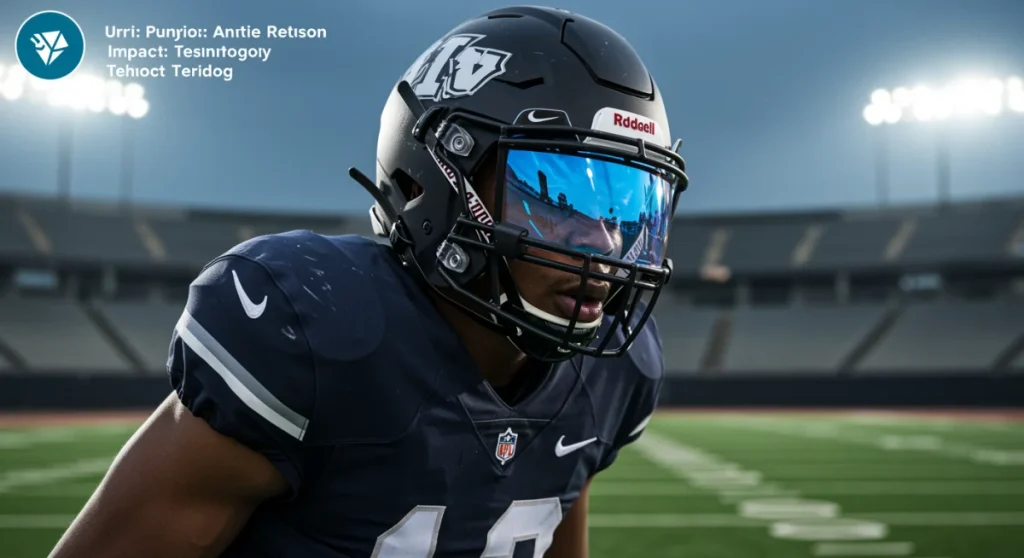
The 2026 football visor market is rapidly evolving, driven by significant advancements in anti-fog solutions and enhanced impact resistance, crucial for player safety and performance across all positions.
As we look towards the upcoming football seasons, the evolution of player safety gear continues to be a paramount concern for athletes, coaches, and equipment manufacturers alike. In the landscape of 2026, the discussion around protective equipment invariably leads to
The Evolving Landscape of Football Visor Technology
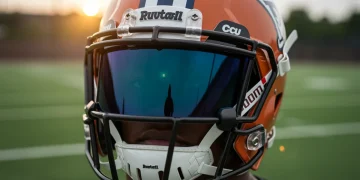
The modern football field demands equipment that not only protects but also enhances a player’s ability to perform under various conditions. Visors, once a simple piece of plastic, have transformed into sophisticated optical devices integral to a player’s vision and safety. The 2026 football visor market is characterized by a relentless pursuit of perfection, focusing on two critical areas: maintaining clear vision through advanced anti-fog properties and offering superior protection against impacts. These innovations are not just incremental; they represent a significant leap forward in sports equipment design.
Manufacturers are investing heavily in research and development to address the challenges posed by extreme weather conditions and the inherent physicality of the sport. From high-humidity environments that cause visors to fog up, to the high-velocity impacts common in football, the demands on modern visors are immense. The goal is to provide players with an unobstructed view of the field, ensuring they can react swiftly and safely, regardless of their position.
Next-Generation Anti-Fog Solutions
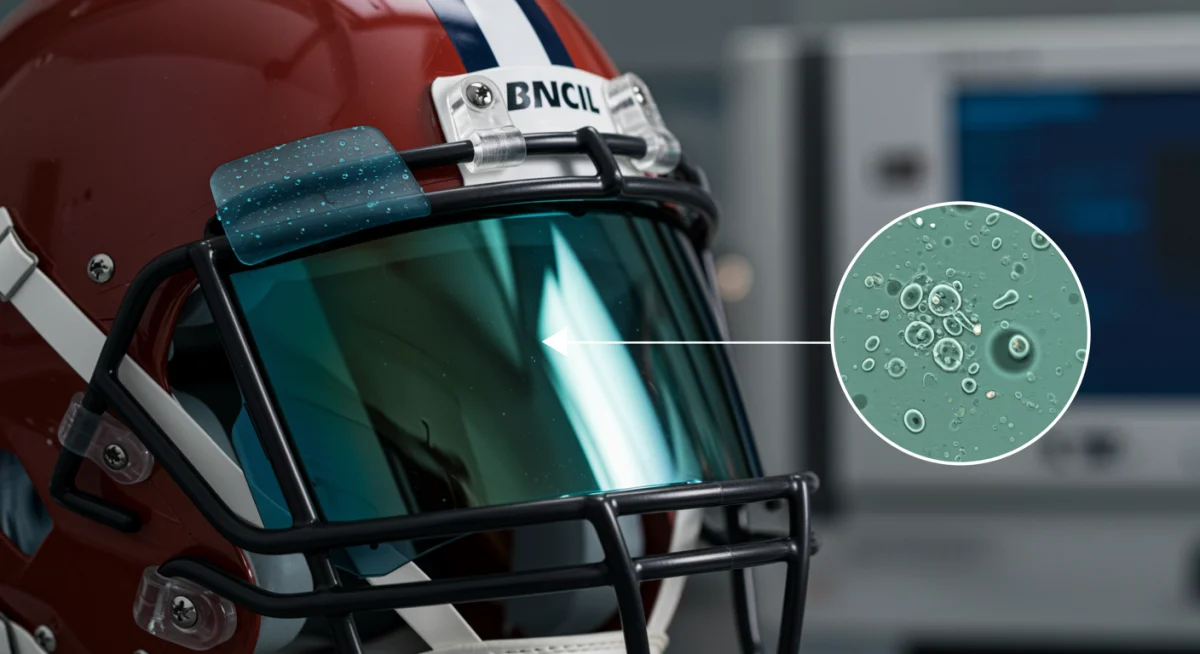
One of the most persistent problems for football players wearing visors has been fogging. Traditional anti-fog sprays often offered temporary relief, but the 2026 market introduces more durable and effective solutions. These advancements are critical for maintaining player focus and reaction time throughout an entire game.
- Hydrophilic Coatings: These advanced coatings absorb moisture, preventing the formation of tiny water droplets that cause fog, instead spreading it into a thin, transparent film.
- Permanent Anti-Fog Treatments: Integrated directly into the visor material during manufacturing, these treatments offer long-lasting clarity without the need for constant reapplication.
- Ventilation Systems: Some high-end visors now incorporate micro-ventilation channels designed to promote airflow and reduce humidity buildup behind the shield.
The integration of these technologies ensures that players can maintain optimal vision from the first whistle to the last, eliminating distractions caused by obscured views. This focus on clear vision is a cornerstone of the advancements seen within the 2026 football visor market.
Enhanced Impact Resistance: A Priority for Player Safety
Beyond maintaining clear vision, the primary role of a football visor is to protect a player’s eyes and face from impacts. The intensity of football means that players are constantly exposed to potential hazards, from accidental pokes and scrapes to direct hits. The 2026 football visor market places a significant emphasis on materials and designs that can withstand these forces, minimizing the risk of injury. This focus on robust protection is paramount for player well-being.
Engineers are exploring new composite materials and structural designs that distribute impact energy more effectively. This isn’t just about making visors thicker; it’s about making them smarter, enabling them to absorb and dissipate force without compromising clarity or adding excessive weight. The advancements are crucial for ensuring that players can compete aggressively while having confidence in their protective gear.
Advanced Materials and Design Innovations
The materials used in visor construction have come a long way from basic polycarbonate. The latest visors leverage cutting-edge polymers and manufacturing techniques to achieve unparalleled strength and durability.
- Polycarbonate Composites: Enhanced polycarbonates blended with other materials offer superior resistance to shattering and cracking, even under extreme force.
- Reinforced Edges: Visors are now designed with reinforced edges that prevent splintering and provide additional structural integrity, especially around attachment points.
- Aerodynamic Profiles: Modern visors are shaped not just for aesthetics but also to deflect impacts and reduce snagging, further enhancing safety.
These material and design improvements mean that players can trust their visors to offer reliable protection throughout the game. The relentless pursuit of stronger, lighter, and more resilient materials is a defining characteristic of the 2026 football visor market, directly contributing to a safer playing environment for all athletes.
Visors for Every Position: Tailored Protection and Performance
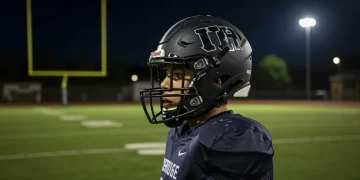
Football is a sport of specialized roles, and the demands placed on players vary significantly by position. Consequently, the 2026 football visor market is seeing a trend towards specialized visors designed to meet the unique needs of different players. Whether it’s a quarterback needing maximum peripheral vision or a lineman requiring robust frontal protection, manufacturers are developing tailored solutions that optimize both safety and performance.
This customization reflects a deeper understanding of the biomechanics of each position and the specific hazards players face. It’s no longer a one-size-fits-all approach; instead, the focus is on providing gear that truly complements a player’s role on the field, ensuring they have the protection and visual clarity necessary to excel.
Position-Specific Visor Features
The customization extends to various aspects of visor design, from tint levels to attachment mechanisms, catering to the distinct requirements of each position.
- Quarterbacks and Receivers: Often prefer clear or lightly tinted visors to maximize visual acuity and depth perception, crucial for tracking the ball. Anti-fog properties are paramount for maintaining an unobstructed view.
- Linemen: Require visors with exceptional impact resistance, as they are frequently in direct contact with opposing players. Durability and shatterproof qualities are key considerations.
- Defensive Backs and Linebackers: May opt for slightly darker tints to reduce glare from stadium lights or sunlight, enhancing their ability to track opponents and the ball on open plays.
The ability to choose a visor that aligns with their specific position and playing style empowers athletes to perform at their best. This specialization is a significant driver in the innovations observed within the 2026 football visor market, ensuring that every player benefits from optimized protection and visual performance.
The Role of Regulatory Standards and Player Feedback
The evolution of football visors is not solely driven by technological advancements; regulatory bodies and direct player feedback play a crucial role in shaping market trends. Organizations like the National Operating Committee on Standards for Athletic Equipment (NOCSAE) continually update safety standards, pushing manufacturers to innovate and improve their products. This commitment to safety helps ensure that all visors meet rigorous testing requirements before they reach the field.
Moreover, listening to the experiences of professional and amateur athletes provides invaluable insights into the practical challenges and desired features of protective gear. This iterative process of feedback, redesign, and retesting is fundamental to developing visors that are truly effective and user-friendly. The collaboration between players, manufacturers, and regulators is a cornerstone of progress in the 2026 football visor market.
Key Influences on Visor Development
Several factors contribute to the ongoing refinement and innovation in visor technology, ensuring that products are both safe and performant.
- NOCSAE Certification: All football visors must pass stringent impact and penetration tests to receive NOCSAE certification, guaranteeing a baseline level of protection.
- Player Surveys and Trials: Athletes participate in testing new prototypes, providing feedback on comfort, visibility, and overall performance in real-game scenarios.
- Medical Research: Ongoing studies on head and facial injuries in football inform design changes aimed at mitigating risks and enhancing protective capabilities.
This multi-faceted approach ensures that the visors available in the 2026 football visor market are not only technologically advanced but also rigorously vetted for safety and effectiveness. The constant dialogue between all stakeholders is vital for continuous improvement and maintaining high standards in player protection.
Sustainability and Customization in Visor Production
As consumer awareness of environmental issues grows, the 2026 football visor market is also seeing a shift towards more sustainable manufacturing practices. Manufacturers are exploring eco-friendly materials and production processes to reduce their environmental footprint. This includes using recycled content, developing biodegradable components, and optimizing manufacturing to minimize waste. Sustainability is becoming an increasingly important factor for brands and consumers alike.
Alongside sustainability, customization options are expanding, allowing players to personalize their visors beyond just tint. This ranges from custom graphics and team logos to ergonomic adjustments that ensure a perfect fit for every helmet. The ability to personalize gear not only enhances player identity but can also improve comfort and confidence on the field.
Eco-Friendly Materials and Personalization Trends
The integration of sustainable practices and personalized options highlights a broader trend in sports equipment towards products that are both high-performing and ethically produced.
- Recycled Polycarbonates: Utilizing recycled plastics reduces the demand for virgin materials and lessens environmental impact without compromising protective qualities.
- Modular Designs: Some visors are designed with replaceable components, extending their lifespan and reducing overall waste.
- 3D Printing: Advanced manufacturing techniques like 3D printing allow for highly customized fits and unique designs, while also potentially reducing material waste.
These trends indicate a maturing market that balances innovation with responsibility and individuality. The 2026 football visor market is therefore not just about better protection and vision, but also about offering choices that resonate with modern values and player preferences. This holistic approach ensures that visors are not only functional but also align with broader societal and personal expectations.
Looking Ahead: Future Innovations and Market Growth
The trajectory of the 2026 football visor market suggests continued rapid innovation. While current advancements focus on anti-fog and impact resistance, future developments are likely to integrate even more sophisticated technologies. Imagine visors with embedded sensors that monitor impact forces, or those capable of adjusting tint levels automatically based on ambient light conditions. These concepts, once confined to science fiction, are steadily moving towards reality.
The market is also expected to grow, driven by increased participation in football globally and a heightened emphasis on player safety at all levels of the sport. As technology becomes more accessible and manufacturing processes more efficient, high-performance visors will likely become standard equipment for a wider range of athletes, from youth leagues to professional organizations. This growth will further fuel competition and innovation among manufacturers.
Emerging Technologies on the Horizon
The horizon for football visor technology is bright, with several exciting possibilities that could redefine player protection and performance.
- Smart Visors: Integration of micro-electronics for data collection, such as impact metrics or environmental conditions, providing valuable insights for player health and performance analysis.
- Electrochromic Tints: Visors that can change their tint electronically, offering instant adaptation to varying light conditions with the push of a button or even automatically.
- Self-Healing Coatings: Research into materials that can self-repair minor scratches and abrasions, extending the lifespan and clarity of visors.
These prospective innovations underscore a dynamic and forward-thinking industry committed to pushing the boundaries of what is possible. The future of the 2026 football visor market promises not only enhanced safety but also an exciting array of features that will undoubtedly transform the player experience, making the game safer and more engaging for everyone involved.
| Key Point | Brief Description |
|---|---|
| Anti-Fog Innovations | Advanced hydrophilic coatings and integrated treatments ensure clear vision in all conditions. |
| Impact Resistance | Next-gen polycarbonate composites and reinforced designs offer superior protection against hits. |
| Position-Specific Designs | Visors are tailored with specific tints and features to meet the unique demands of each playing position. |
| Sustainability & Customization | Eco-friendly materials and personalized options are gaining traction in the market. |
Frequently Asked Questions About 2026 Football Visors
The 2026 football visor market features advanced hydrophilic coatings that absorb moisture, preventing fog. Additionally, permanent anti-fog treatments are integrated into the visor material during manufacturing, offering long-lasting clarity without constant reapplication, ensuring consistent clear vision for players.
Impact resistance has significantly improved through the use of enhanced polycarbonate composites that blend with other materials for superior shatter and crack resistance. Designs now include reinforced edges and aerodynamic profiles to deflect impacts, distributing energy more effectively to minimize injury risk.
Yes, the 2026 market offers position-specific visors. Quarterbacks and receivers often prefer clear visors for maximum visual acuity, while linemen benefit from highly impact-resistant designs. Defensive backs might opt for slightly darker tints to reduce glare, tailoring protection and performance to each role.
Regulatory bodies like NOCSAE establish stringent safety standards for football visors, requiring rigorous impact and penetration tests. These certifications ensure that all visors meet a baseline level of protection, pushing manufacturers to continuously innovate and improve product safety and reliability for athletes.
Looking ahead, expect smart visors with embedded sensors for impact monitoring and electrochromic tints that automatically adjust to light conditions. Self-healing coatings for scratch resistance are also in development, promising to further enhance both player safety and the longevity of protective gear.
Conclusion
The 2026 football visor market stands as a testament to ongoing innovation in player safety and performance. With significant strides in anti-fog technologies and advanced impact resistance, visors are no longer just an accessory but a critical component of modern football gear. The trend towards position-specific designs, coupled with an increasing focus on sustainability and customization, ensures that athletes across all levels of play are equipped with the best possible protection and visual clarity. As the sport continues to evolve, so too will the technology safeguarding its players, promising an even safer and more dynamic future for football.