Anúncios
football helmet technology updates for concussion reduction combine advanced multi-density liners, low-friction slip-plane systems, and embedded sensors with independent lab validation and clear sideline protocols to reduce linear and rotational forces, improve impact detection, and support rapid medical assessment.
football helmet technology updates for concussion reduction bring new materials, embedded sensors and smarter shell shapes that aim to lower head impact. Want to know which changes matter on the field? We’ll look at recent tests, real examples and what to watch when picking a helmet.
Anúncios
How modern helmet designs cut rotational and linear forces
football helmet technology updates for concussion reduction focus on lowering both rotational and linear forces during impacts. This section breaks down the design changes that make modern helmets safer.
Anúncios
Simple changes in shape, materials and fit can cut peak forces and reduce the risk of brain injury on contact.
Shell shape and controlled deformation
Modern shells are molded to direct impact energy away from the head. Curved surfaces and layered shells help spread force over a larger area. Some shells include engineered crush zones that deform in a predictable way to absorb energy.
Multi-layer liners and energy management
Inside the shell, liners use different materials and densities to handle hits.
- Soft foams compress on lower-speed impacts to reduce linear acceleration.
- Dense foams engage on harder hits to prevent bottoming out and protect against high forces.
- Shear pads or low‑friction layers slide slightly to lower rotational acceleration.
- New hybrid inserts combine gel, foam, and air to manage a range of impacts.
These layers work together so one part cushions a direct blow while another reduces twisting motion. The result is less sudden motion of the brain inside the skull.
Fit systems and internal suspension
Better fit matters. Adjustable padding and retention systems keep the helmet stable on the head. A secure fit means impacts transfer less rotational energy to the brain.
Some designs add a floating liner or slip plane that lets the helmet move a few millimeters over the head. That small movement drops rotational forces significantly.
Material science and new technologies
Manufacturers now use advanced polymers, 3D‑printed structures, and shear‑thinning fluids to tune response. These materials change behavior based on impact speed and direction.
- Honeycomb or lattice inserts absorb energy while staying lightweight.
- Smart foams stiffen on high impact and stay soft for comfort.
- Low‑friction layers mimic MIPS-style systems to cut rotational acceleration.
Independent lab tests and on‑field sensors support these improvements, showing lower peak accelerations in many modern models.
When you choose a helmet, look for proven shell designs, layered liners, and fit systems that reduce both rotational and linear forces. Together, these updates make a practical difference for player safety.
Sensors, telemetry and real-time impact monitoring
football helmet technology updates for concussion reduction now include smart sensors and linked telemetry that record impact force and direction in real time. These systems let teams spot risky hits and act quickly to protect players.
Sensors measure both linear and rotational motion, then send data to devices that show immediate alerts and simple metrics coaches can use during games.
Types of sensors and what they measure
Common sensors include accelerometers and gyroscopes inside the helmet or attached to mouthguards. They record peak acceleration and angular velocity for each impact.
- Accelerometers track linear G-forces from direct hits.
- Gyroscopes capture rotational movement that relates to brain shear.
- Pressure and contact sensors note point of impact and helmet deformation.
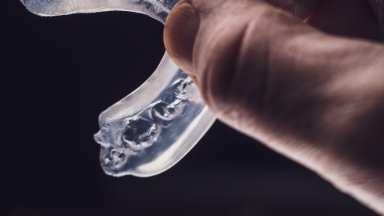
- Instrumented mouthguards offer head-coupled readings for more accurate motion data.
These devices often work together to create a fuller picture of each hit. Data points are tied to time stamps, hit location, and player ID for easy review.
Telemetry, alerts and coach-ready dashboards
Sensors stream data wirelessly to sideline tablets or cloud services. Low latency is key so staff get near real-time alerts for dangerous impacts.
Dashboards translate raw numbers into clear flags like “high-impact” or “review required.” That helps coaches and medical staff decide on spot checks or removals.
- Instant alerts for impacts above a set threshold.
- Trend views showing repeated smaller hits over a game or season.
- Integrations with video clips to review the play context quickly.
Reliable telemetry depends on good antennas, secure connections, and on-field testing to avoid missed or delayed signals.
Data accuracy matters. Systems that sync helmet sensors with video and validated lab tests help reduce false positives and build trust in thresholds.
How teams use the data and practical limits
Teams use impact logs to guide sideline checks, return-to-play decisions, and equipment upgrades. Patterns of repeated impacts can trigger extra monitoring or rest.
There are limits: sensors do not diagnose concussions. They show forces that need medical evaluation. False alarms happen, and some true injuries occur with low sensor readings.
Privacy and data ownership are also important. Clear policies on who sees the data and how long it is stored help protect players and comply with rules.
Ongoing validation—comparing sensor reports with clinical exams and lab tests—keeps the systems useful and safe.
When paired with thoughtful policy and trained staff, sensor telemetry becomes a practical tool to reduce risk and support safer play.
Testing standards, certifications and independent lab results
football helmet technology updates for concussion reduction depend on clear testing rules and independent lab results to prove safer designs. Clear reports help players, parents, and teams choose better gear.
Certifications set a baseline, while independent ratings show relative performance across models and impact types.
Key standards and certification basics
NOCSAE is the main certifying body for football helmets in the U.S. Its standards check that a helmet meets minimum limits on impact forces under controlled conditions.
What independent labs add
Universities and third‑party groups run deeper tests and publish comparative ratings. These results reveal how helmets handle different impact directions and repeated hits.
- Peak linear acceleration — how hard a straight hit is.
- Rotational measures — how much twisting force a hit causes.
- Multi-impact performance — response after repeated strikes.
- Directional testing — hits from front, side, and back.
Lab tests often use instrumented headforms and drop towers to reproduce impacts. Sensors record accelerations and angular velocity so scientists can compare designs with consistent methods.
Testing protocols differ. Some labs focus on peak values, others on risk curves that link force to probable injury. That variety gives a fuller picture but requires careful reading of reports.
How tests are done in practice
Technicians mount helmets on a weighted headform and deliver controlled impacts. High‑speed sensors and cameras capture exact timing and force data. Results are checked against standards and rating algorithms.
Advanced labs also simulate rotational impacts and use biofidelic necks to mimic how the head moves in real plays. Some studies pair lab tests with on‑field sensor data for validation.
Tips to interpret certifications and lab reports
- Look for both certification and independent ratings; one shows minimum safety, the other shows comparative performance.
- Compare how helmets perform on rotational and linear metrics, not just a single number.
- Favor models with consistent results across multiple tests and reputable labs.
Remember that tests guide choices but do not diagnose injuries. Use lab data as a tool alongside good fit, coaching, and medical protocols.
In short, combine certified standards with independent lab ratings to make informed helmet choices, and keep monitoring new tests as football helmet technology updates for concussion reduction evolve.
Practical choices for players, parents and coaching staff
football helmet technology updates for concussion reduction give players, parents and coaches clear choices to lower risk on the field. This section shows practical steps for picking, fitting, and using safer helmets.
Small actions—like checking fit, tracking age of gear, and following data alerts—can make a real difference in safety.
Fit, sizing and on-head checks
A helmet must sit level, feel snug, and not shift when the head turns. Poor fit increases both linear and rotational forces during impact.
Try helmets with the pads in place, buckle the chinstrap, and perform quick on-head checks before practice and games.
Features to prioritize
Look for proven design elements that reduce force and manage energy. These items help you compare models quickly.
- Multi-density liners that absorb different impact levels.
- Slip-plane or low-friction layers to cut rotational acceleration.
- Secure fit systems that keep the helmet stable during play.
- Positive independent lab ratings in both linear and rotational tests.
Combine these features with certification marks as a baseline, then prefer models with consistent independent test results.
Keep helmets clean and check padding, shell integrity, and hardware before each season. Replace helmets after significant impacts or visible damage. Follow manufacturer timelines for retirement—older shells often lose protective properties.
Sideline practices and data use
When helmets include sensors, create simple protocols for alerts. Decide who reviews the data, what thresholds trigger checks, and how results affect return-to-play steps.
- Assign a trained staff member to monitor alerts during games.
- Use video to confirm the play after a flagged impact.
- Keep a log of repeated smaller hits to watch player trends.
Remember sensors do not replace clinical exams. Use data as a screening tool that prompts trained medical checks.
Educate players and parents about the limits of technology. Clear communication about fit, maintenance, and when to remove a player builds trust and improves safety choices.
Choosing the right helmet means balancing certified protection, independent test results, a correct fit, and solid sideline policies. These combined steps help make football helmet technology updates for concussion reduction practical and effective for every team.
Modern football helmet technology updates for concussion reduction combine better materials, smart sensors, and tougher testing to lower risk. Simple steps—fit checks, choosing proven designs, and clear sideline rules—make the tech work in real play. Keep gear updated and use data to guide care, not replace medical checks.
FAQ – football helmet technology updates for concussion reduction
What do helmet sensors measure and how are they used?
Sensors track linear and rotational forces, impact location, and timing. Teams use the data to flag hits for medical review, not to diagnose injuries.
How do I choose a helmet that reduces concussion risk?
Check for NOCSAE certification and independent lab ratings. Prioritize multi-density liners, slip-plane systems, and a secure fit.
When should a helmet be replaced or serviced?
Inspect helmets before each season and after hard impacts. Replace after visible damage, big strikes, or as the manufacturer recommends.
Do smart helmets stop concussions?
No. Smart tech helps spot risky impacts and guide care, but medical evaluation is required to diagnose and manage concussions.