Maximizing High School Football Scholarship Potential: 6-Month Plan

Maximizing high school football scholarship potential for juniors in 2026 requires a focused 6-month action plan integrating athletic development, academic excellence, and strategic recruitment to capture collegiate attention.
For high school football juniors aiming for the collegiate level, the path to a scholarship can seem daunting. However, by understanding the landscape and committing to a structured approach, you can significantly increase your chances. This comprehensive guide provides a detailed Maximizing High School Football Scholarship Potential: A 6-Month Action Plan for Juniors in 2026, designed to help you navigate the crucial junior year with purpose and maximize your opportunities.
Understanding the Scholarship Landscape for 2026 Juniors
Before diving into the action plan, it’s vital to grasp the current state of college football recruitment. The landscape is competitive and constantly evolving, driven by factors like the transfer portal, NIL (Name, Image, and Likeness) deals, and varying scholarship limits across NCAA divisions. Juniors for the 2026 class need to be proactive and informed to stand out.
Scholarships are not just about athletic prowess; they encompass academic achievement, character, and potential. Coaches look for well-rounded individuals who can contribute positively to their program both on and off the field. Understanding the types of scholarships available – FBS, FCS, Division II, Division III (which offers academic and need-based aid, not athletic scholarships), and NAIA – is your first step.
NCAA Division I vs. Division II Scholarships
The differences in scholarship types and availability are significant. Division I (FBS and FCS) offers full-ride scholarships, but they are highly competitive. Division II schools often provide partial scholarships, meaning a combination of athletic and academic aid might be necessary to cover costs. Knowing what each division offers helps tailor your search.
- FBS (Football Bowl Subdivision): Full scholarships, highly competitive, often 85 scholarships per team.
- FCS (Football Championship Subdivision): Full scholarships, but fewer per team (typically 63), also very competitive.
- Division II: Partial scholarships, allowing coaches to divide funds among more players; approximately 36 scholarships per team.
- NAIA: Similar to Division II, offering partial scholarships with flexible rules.
It’s crucial to research specific schools and their athletic programs. Don’t limit yourself to just Division I. Many student-athletes thrive in Division II or NAIA environments, receiving excellent education and playing high-level football. Your junior year is the prime time to start this in-depth research, aligning your athletic and academic goals with potential collegiate fits. This early understanding will set a strong foundation for your 6-month plan.
Month 1-2: Assessment and Foundation Building
The initial two months are about honest self-assessment and laying a solid groundwork. This period is critical for identifying your strengths and weaknesses as a player and student, and for setting realistic, achievable goals. It’s not just about what you can do on the field, but also how you present yourself as a complete package.
Start by evaluating your athletic skills. Be objective. Where do you excel? What areas need significant improvement? Consider getting feedback from your high school coaches, trainers, or even independent scouts. Their insights can be invaluable in shaping your training regimen. Simultaneously, review your academic standing. Your GPA and test scores are just as important as your football highlights.
Academic Excellence: The Non-Negotiable
Maintaining a strong academic record is paramount. College coaches often prioritize recruits who demonstrate academic responsibility because it indicates discipline and the ability to succeed in a demanding collegiate environment. Ensure your GPA is competitive and start preparing for standardized tests like the SAT or ACT.
- GPA Review: Calculate your current GPA and identify any courses where improvement is needed. Aim for a minimum 3.0, but higher is always better.
- Test Prep: Begin studying for the SAT or ACT. Many resources, both free and paid, are available online and through your school. Early preparation can lead to better scores.
- Course Selection: Discuss your senior year course load with your guidance counselor. Ensure you’re taking NCAA-approved core courses to meet eligibility requirements.
Beyond academics, begin compiling a football resume. This includes your athletic achievements, statistics, awards, and contact information for your coaches. This foundational work will be essential for the next stages of your scholarship pursuit, allowing you to present a clear and compelling profile to college recruiters. Don’t underestimate the power of a well-organized and thorough resume.
Month 3-4: Skill Development and Exposure Maximization
With a solid foundation in place, months three and four focus on refining your athletic skills and actively seeking exposure. This is where your hard work in the weight room and on the practice field truly begins to pay off. It’s not enough to be good; you need to be seen and evaluated by the right people.
Intensify your training. Work with your coaches to develop a personalized strength and conditioning program that targets your position-specific needs. Focus on speed, agility, strength, and technique. Attend position-specific camps or clinics to hone your skills and learn from experienced coaches. These events also offer valuable opportunities for exposure.
Creating a Dynamic Highlight Reel
A well-edited highlight reel is your digital handshake with college recruiters. It should showcase your best plays, demonstrating your athleticism, football IQ, and impact on the game. Keep it concise, typically 3-5 minutes, with your best plays at the beginning. Include academic information and contact details at the start and end.
- Best Plays First: Grab attention immediately with your most impressive moments.
- Variety of Skills: Show different aspects of your game – tackling, blocking, catching, running, etc., depending on your position.
- Clear Identification: Circle or highlight yourself in plays to make it easy for coaches to spot you.
- Professional Quality: Ensure good video quality and editing. Avoid excessive music or special effects.
Actively participate in combines and showcases. These events are specifically designed for college coaches to evaluate talent. Perform your best in drills, but also pay attention to your demeanor and coachability. Coaches are watching everything. Use these opportunities to gather contact information for college coaches and follow up with them respectfully. Maximizing your visibility during this period is key to generating interest.
Month 5: Proactive Recruitment and Communication
Month five shifts gears towards aggressive, yet professional, recruitment efforts. By now, you should have a strong academic record, a compelling highlight reel, and a clear understanding of your athletic profile. It’s time to put yourself directly in front of college coaches and establish meaningful communication. This stage requires persistence and a strategic approach.
Start by identifying a target list of schools that align with your academic, athletic, and personal preferences. Don’t just focus on top-tier programs; consider a range of schools across different divisions. Research their coaching staff, their football program’s style of play, and their academic offerings. Personalize your outreach to each school.
Effective Communication Strategies
When contacting coaches, be professional and concise. Send personalized emails that introduce yourself, highlight your key achievements (athletic and academic), and include a link to your highlight reel and your football resume. Follow up periodically, but avoid being overly persistent or pushy. Quality communication is better than quantity.
- Personalized Emails: Address coaches by name and reference specific aspects of their program that interest you.
- Highlight Key Info: Briefly mention your GPA, test scores, position, and key statistics.
- Express Genuine Interest: Show you’ve done your research on their school and team.
- Follow-Up: Send follow-up emails after games, combines, or if you have new academic achievements.
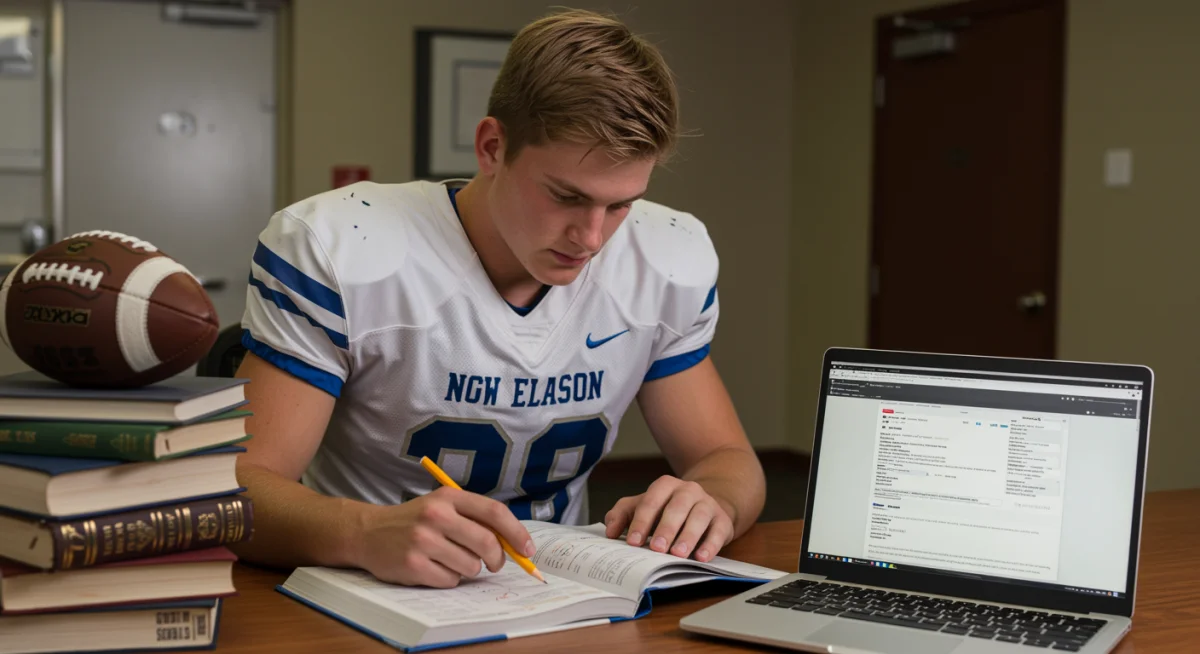
Attend junior day visits if invited, or make unofficial visits to schools that interest you. These visits provide an opportunity to meet coaches, tour facilities, and get a feel for the campus environment. Prepare questions to ask coaches and be ready to discuss your aspirations. Remember, they are evaluating you just as much as you are evaluating them. This proactive engagement is crucial for building relationships and demonstrating your commitment.
Month 6: The Home Stretch – Visits, Offers, and Decision Making
The final month of your 6-month plan is often the most exciting and nerve-wracking. This is when all your hard work can culminate in official visits, potential scholarship offers, and ultimately, a decision about your collegiate future. It’s important to remain calm, thoughtful, and strategic during this critical period.
By month six, you should ideally be receiving increased interest from colleges. If you haven’t, revisit your target list, expand your search, and continue proactive outreach. Be open to opportunities you might not have initially considered. Never stop working on your game or your academics; coaches will continue to monitor your progress.
Navigating Official Visits and Scholarship Offers
Official visits are a significant step, typically offered by schools that are seriously considering you. Use these visits to gather as much information as possible. Talk to current players, academic advisors, and other recruits. Ask tough questions about academics, team culture, coaching philosophy, and post-graduation support. This is your chance to see if the school is a true fit.
- Ask Specific Questions: Inquire about academic support, team dynamics, depth chart at your position, and potential playing time.
- Evaluate Campus Life: Consider if you can thrive academically and socially at the institution.
- Understand the Offer: If an offer is extended, understand all its terms – full-ride, partial, academic components, etc.
- Don’t Rush: Take your time to consider all offers and discuss them with your family and mentors.
When evaluating scholarship offers, look beyond just the financial aspect. Consider the overall fit – academic programs, coaching staff stability, team culture, geographic location, and your potential for playing time and development. This is a life-changing decision, so make it an informed one. Remember, your junior year is the foundation; stay persistent, stay focused, and trust the process you’ve meticulously built over these six months.
Maintaining Momentum and Staying NCAA Compliant
Even after receiving interest or offers, the work isn’t over. Maintaining momentum involves sustained effort in both athletics and academics, alongside strict adherence to NCAA compliance rules. This continuous effort ensures that any potential scholarship remains viable and that you are fully prepared for the collegiate transition.
Academically, your senior year grades are just as important as your junior year. Don’t let up. Continue to challenge yourself with rigorous courses and strive for excellent grades. Any significant drop in academic performance could jeopardize a scholarship offer. Similarly, continue to train and improve your football skills. Coaches want to see consistent progress and dedication.
NCAA Eligibility Center Registration and Rules
Registering with the NCAA Eligibility Center is a mandatory step for any student-athlete aspiring to play at Division I or II schools. This process ensures you meet the academic and amateurism requirements. Familiarize yourself with their guidelines, including core course requirements, GPA calculations, and test score submissions.
- Early Registration: Register with the NCAA Eligibility Center during your junior year.
- Core Course Verification: Work with your guidance counselor to ensure your coursework meets NCAA standards.
- Amateurism Certification: Understand and adhere to NCAA amateurism rules regarding compensation, agents, and benefits.
- Transcript Submission: Ensure your high school sends official transcripts to the Eligibility Center.
Staying compliant also means understanding the rules around communication with coaches, unofficial and official visits, and any benefits you might receive. Ignorance of the rules is not an excuse, and violations can lead to loss of eligibility. Keep open lines of communication with your high school coaches and guidance counselors, as they can provide valuable assistance and clarification on NCAA regulations. Maintaining this diligent approach throughout your senior year will safeguard your scholarship potential.
The Role of Mentors and Support Systems
Navigating the complex world of high school football recruitment and scholarship acquisition is rarely a solo journey. The importance of a strong support system, including mentors, coaches, parents, and academic advisors, cannot be overstated. These individuals play a crucial role in guiding, advising, and advocating for you throughout the entire process, especially during your pivotal junior year.
Your high school football coach is often your primary advocate. They have direct relationships with college coaches and can provide invaluable insights into your potential collegiate fit. Maintain an open and honest dialogue with them about your aspirations, and be receptive to their advice regarding skill development, exposure opportunities, and communication with recruiters.
Leveraging Guidance Counselors and Academic Advisors
Academic success is a cornerstone of scholarship eligibility, making your guidance counselor or academic advisor an indispensable resource. They can help you ensure your course selections meet NCAA core course requirements, track your GPA, and assist with standardized test preparation and submission. They are also vital for sending official transcripts to colleges and the NCAA Eligibility Center.
- NCAA Course Planning: Work with them to plan your high school courses to meet eligibility standards.
- Transcript Management: Ensure all necessary academic documents are sent to the correct institutions.
- College Applications: Get support with college application processes and deadlines.
- Financial Aid Information: They can also provide information on academic and need-based financial aid options.
Parents and guardians also form a critical part of your support system. Their encouragement, logistical support (driving to camps, helping with video editing), and financial guidance are essential. They can help you stay organized, manage deadlines, and make informed decisions. Surrounding yourself with knowledgeable and supportive individuals will significantly enhance your chances of successfully maximizing your football scholarship potential.
| Key Action | Description |
|---|---|
| Academic Excellence | Maintain a high GPA and prepare for SAT/ACT to meet NCAA eligibility and attract coaches. |
| Skill Development | Intensify position-specific training and attend camps to refine abilities. |
| Highlight Reel & Exposure | Create a compelling highlight video and participate in combines/showcases for visibility. |
| Proactive Communication | Strategically contact college coaches and make unofficial visits to build relationships. |
Frequently Asked Questions About Football Scholarships
High school football juniors should ideally begin the scholarship recruitment process at the start of their junior year. This allows ample time for skill development, academic preparation, creating highlight reels, and initiating communication with college coaches, maximizing their chances of securing an offer.
Academics are critically important. College coaches prioritize strong academic records, as they indicate a student-athlete’s ability to succeed in college. A high GPA and strong SAT/ACT scores are essential for meeting NCAA eligibility requirements and making you a more attractive recruit.
A highlight reel should be 3-5 minutes long, starting with your best plays. It must showcase a variety of your skills, clearly identify you in each play, and maintain professional video quality. Include your academic information and contact details at the beginning and end.
Attending combines and showcases is highly recommended for exposure. These events offer direct opportunities for college coaches to evaluate your athletic abilities, compare you against other recruits, and observe your coachability and demeanor, significantly boosting your visibility.
Effective communication involves sending personalized emails, introducing yourself professionally, highlighting key athletic and academic achievements, and including links to your highlight reel. Follow up periodically and express genuine interest in their program, avoiding excessive or generic outreach.
Conclusion
Maximizing High School Football Scholarship Potential: A 6-Month Action Plan for Juniors in 2026 is not merely a guide; it’s a strategic roadmap for aspiring collegiate athletes. By diligently following the steps outlined—from rigorous skill development and academic excellence to proactive recruitment and leveraging a robust support system—juniors can significantly enhance their prospects. The journey demands commitment, resilience, and a clear vision, but with careful planning and execution, the dream of playing college football on scholarship can become a tangible reality, opening doors to both athletic and academic success.