Anúncios
Guardian Caps helmet covers reduce measurable linear and contact forces in controlled practice, lowering soreness and some peak accelerations; they do not reliably prevent concussions from high‑speed or rotational impacts and must be paired with proper helmets, coaching, and rules.
Guardian caps helmet covers impact on player safety have become common in youth and amateur football. Curious if they really reduce concussion risk? I looked at research and real-player reports to untangle benefits, limits, and what teams should consider.
Anúncios
How guardian caps work and the science behind impact reduction
Guardian caps are soft, padded covers that fit over standard football helmets. They aim to lower the force felt during tackles and drills.
Anúncios
Simple in look, their goal is clear: provide extra cushioning and slow impact to help with impact reduction.
Design and materials
Most covers use dense foam and durable outer fabric. The foam compresses on contact to absorb energy and extend the time of impact.
- Closed-cell foam layers that trap air and dissipate force.
- Flexible shells that spread load across a wider area.
- Lightweight fabrics that resist wear while keeping the cover secure.
The padding changes how the helmet and head move during a hit. By increasing the distance the head moves during contact, the cap lowers peak force.
How physics explains impact reduction
When two bodies collide, force depends on how quickly momentum changes. A soft layer increases the time of that change.
That longer contact time often means lower peak acceleration to the head. Less peak acceleration can mean less chance of a sudden jolt to brain tissue.
- More time to decelerate reduces peak linear acceleration.
- Foam can also reduce some rotational forces by smoothing the contact.
- Even small reductions in impulse can affect how the brain responds to a hit.
However, the cap does not stop all motion. It helps mainly with direct, helmet-to-helmet impacts at lower speeds, like in practice.
Real-world effects vary with speed, angle, and fit. A cap that is loose or damaged may not work as intended.
Testing and real-world evidence
Labs use drop tests and headforms to measure acceleration with and without covers. Results often show modest reductions in peak forces under controlled conditions.
Field studies with players give mixed results. Some report fewer minor head knocks in practice, while concussion rates in games show less clear change.
- Controlled tests: show measurable drops in peak acceleration in many cases.
- Practice observations: coaches note reduced stinging hits and more confidence in drills.
- Game data: harder to link directly to lower concussion rates due to many variables.
These mixed findings mean caps are a helpful layer, not a complete solution. They are best used with good coaching and safer contact practices.
Proper fit and regular inspection matter. Caps should sit snugly, cover key helmet zones, and be replaced if torn or compressed.
Maintenance and correct installation keep the protective behavior consistent over time.
Guardian caps can lower some impact forces and improve comfort in practice. Yet they work best as part of a broader safety plan: good technique, proper helmets, and smart training choices.
Evidence from studies: what data say about concussion and head injuries
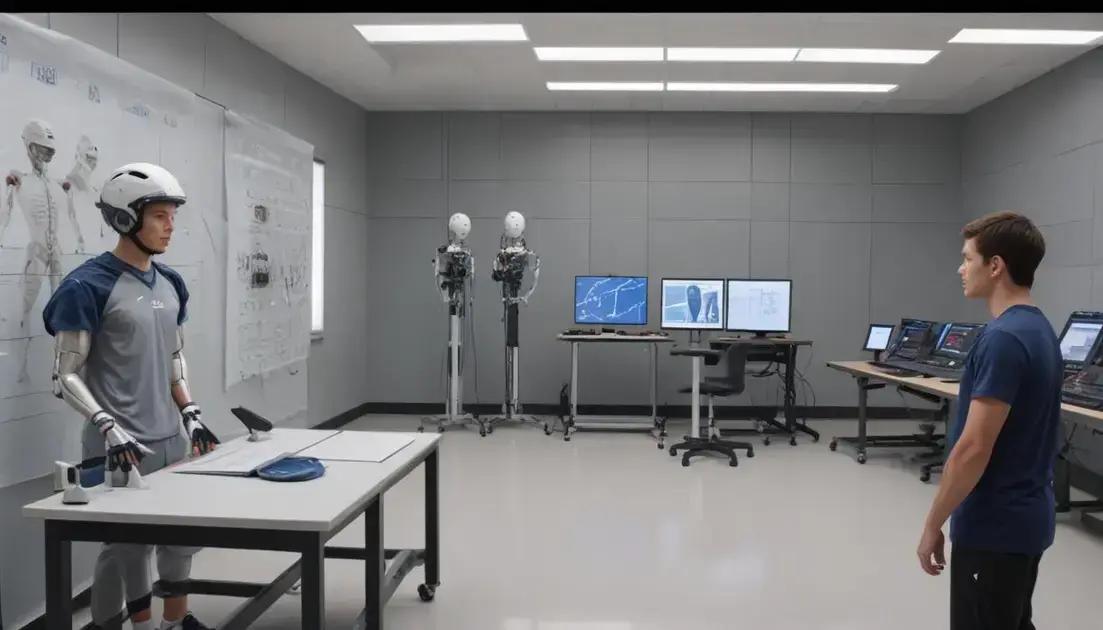
Guardian Caps helmet covers impact on player safety have been tested in labs and tracked in the field. Studies try to measure whether these soft covers lower forces that reach the head.
Evidence is mixed, so it helps to look at how tests are done and what the data actually show.
Laboratory tests and controlled measurements
Labs use headforms, drop rigs, and sensor arrays to compare hits with and without caps. Tests focus on peak acceleration and how long the impact lasts.
- Many lab trials show modest drops in peak linear acceleration, often in the range of about 10–30% under specific conditions.
- Some setups also report reductions in rotational acceleration, but these results are less consistent.
- Controlled tests isolate one variable at a time, so they show potential, not real-game effect.
These controlled results help explain the physics. A soft layer can spread and slow the force, which reduces the spike the head sees. Yet lab impacts are simplified compared with live play.
Field studies and real-world tracking
Field studies track players over practices and games. They use sensors, video review, and medical reports to record hits and injuries.
Results vary: some teams report fewer minor head knocks in practice, while larger datasets show little change in official concussion rates during games.
- Observational studies can show behavior change, like safer tackling in practice when caps are used.
- Randomized or controlled field trials are rare, making strong causal claims difficult.
- Reporting differences and varied exposure time complicate comparisons across teams and seasons.
Real-world factors—speed of play, angle, player size, and how well the cap fits—affect outcomes. A cap that fits poorly or is worn incorrectly loses most benefit.
Interpreting concussion data and limits
Concussion diagnosis relies on symptoms and clinical judgment. This makes direct links between cap use and concussion rates hard to prove.
Some reductions in minor impacts may not change the number of diagnosed concussions. Serious hits in games often exceed what a cap alone can absorb.
- Concussion risk is driven by both linear and rotational forces; caps mainly affect linear peaks.
- Player behavior can shift; if players hit harder thinking they are safer, risk may not fall.
- Long-term outcomes need larger, multi-year studies to be clear.
Overall, the data suggest guardian caps can lower certain measured forces and reduce sting from practice hits. However, they are not a standalone fix for head safety in football.
Practical limits: scenarios where covers help and where they fall short
Guardian Caps helmet covers impact on player safety can reduce sting in drills and lower some measured forces in controlled hits. But their benefits depend on how and where they are used.
Understanding the limits helps coaches choose when caps add value and when other measures are needed.
Best use cases for guardian caps
Caps work well in low- to medium-speed contact, especially during practice drills where repeated light hits occur.
- Technique drills where contact is predictable and angles are controlled.
- Youth leagues and high school practice sessions with frequent repetitive impacts.
- Situations focused on lowering linear peak acceleration in short, direct hits.
In these settings, a cap can soften impacts, reduce soreness, and help players train without as much sharp jolt to the head.
Situations where caps offer limited protection
High-speed, unexpected collisions—like game plays or open-field tackles—often produce forces beyond what a thin cover can meaningfully absorb.
- Severe helmet-to-helmet hits at game speed generate rotational forces that caps do little to reduce.
- Impacts at odd angles that cause rapid head rotation are not fully mitigated by extra padding.
- Poor fit, damaged foam, or incorrect placement can erase most potential benefit.
Caps mainly address a portion of linear force. They are not designed to stop concussions from large, sudden hits.
Player behavior also matters. If athletes push harder because they feel safer with a cap, net risk can stay the same or increase. Training and rules that limit high-risk plays are crucial complements.
How to decide when to use caps
Match equipment choice to activity: use covers for controlled practice, but rely on full protective strategies for games.
- Inspect caps regularly and keep them snug to maintain function.
- Combine caps with proper helmets, neck-strength programs, and technique coaching.
- Track incidents and adjust usage if caps seem ineffective or encourage riskier behavior.
Clear communication with players about what caps can and cannot do helps set realistic expectations and keeps safety a team effort.
In short, guardian caps can help in certain, controlled scenarios but are not a standalone solution for head injury prevention. Use them wisely alongside better technique, equipment, and policies.
Guidance for players and coaches: fit, testing, maintenance and decision tips
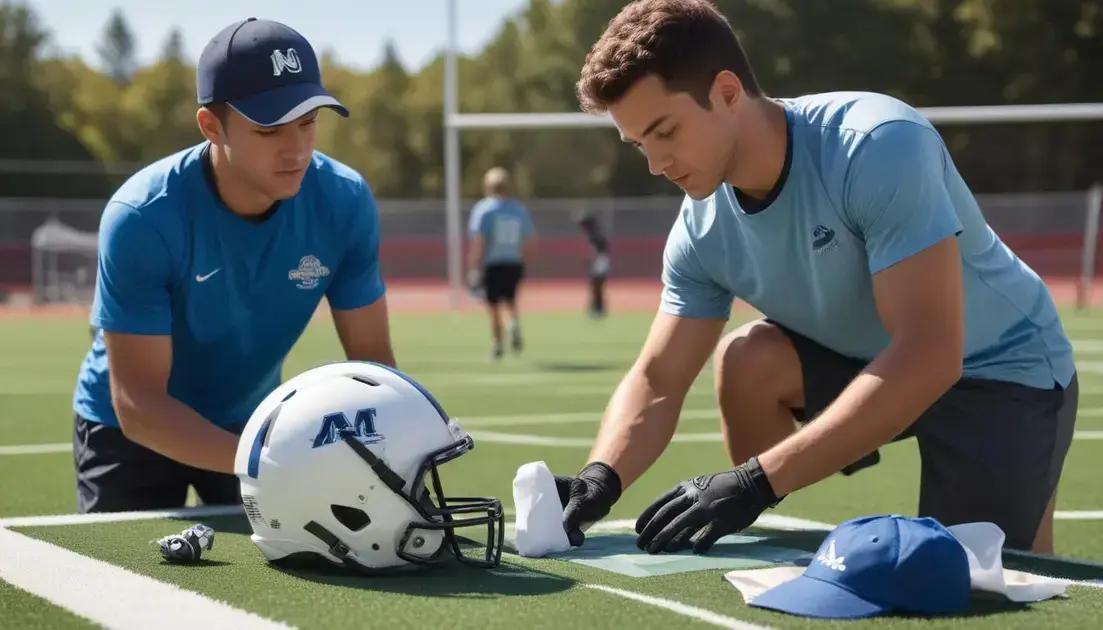
Guardian Caps helmet covers impact on player safety can help when they fit well and are used the right way. These tips cover fit, testing, maintenance, and simple decisions coaches and players can make.
Use clear checks and short routines to keep the caps working and to reduce avoidable risks during practice and games.
Fit and correct placement
A snug, even fit is key. The cover should sit flat and not slide when the player moves.
- Place the cap so it covers the helmet shell evenly, avoiding gaps over the crown and forehead.
- Check that the chin strap and helmet pads are secure after the cap is on.
- Move the helmet gently; the cap should not shift more than an inch in any direction.
- Replace or retighten if the cap bunches or rides up during drills.
Routine fit checks before practice help prevent common problems. Teach players to self-check and report loose or damaged covers right away.
Testing and simple performance checks
Formal lab tests are useful, but simple field checks can spot issues fast. Use easy drills to see how caps behave in real moves.
Run slow, controlled contact drills and watch for excessive cap movement or compression. Record any unusual sounds or tears.
- Use video clips of practice to review how caps stay in place during contact.
- Rotate a sample cap through a quick drop test on padding to feel for permanent compression.
- Log incidents where caps failed or where hits still caused sharp head motion.
Data and notes from these checks guide when to replace caps or change training plans. Small tests reveal big problems early.
Maintenance, storage, and replacement
Clean and store caps properly to keep foam resilience and shape. Heat and moisture can break down materials over time.
- Wash covers per manufacturer instructions and air dry away from direct sun.
- Store caps flat or on a helmet rack to avoid deforming the foam.
- Inspect seams, fabric, and foam before each use; retire any cap with tears or permanent compression.
- Set a replacement schedule based on use intensity—practice caps may need replacing more often than game gear.
Keeping a simple log of inspections and replacements helps teams track cap life and ensures consistent protection.
When deciding to use guardian caps, weigh activity type, player age, and drill intensity. Use caps for controlled practice, but keep strict rules for high-speed contact in games. Combine caps with good coaching, strong neck exercises, and clear behavior rules to reduce risk.
Clear communication, routine checks, and simple testing make caps more effective. Use them as one tool among many to protect players and improve training safety.
Guardian caps can lower some impact forces and ease sting during practice, but they are not a complete solution for concussions. Use them with a snug fit, regular checks, good technique, and team rules to get real safety benefits.
FAQ – Guardian Caps and Player Safety
Do guardian caps prevent concussions?
Guardian caps can reduce some measured forces and the sting of impacts in practice, but they do not fully prevent concussions, especially in high-speed game collisions.
When are guardian caps most useful?
They are most useful in controlled, low- to medium-speed drills and youth practice sessions where repeated light impacts occur.
How should teams check fit and maintain caps?
Ensure a snug fit with minimal shifting, inspect for tears or compressed foam, follow washing instructions, and replace caps that show wear or damage.
Can using guardian caps change player behavior?
Yes. Players may feel safer and take greater risks, so caps should be paired with coaching on proper technique and rules to avoid risk compensation.