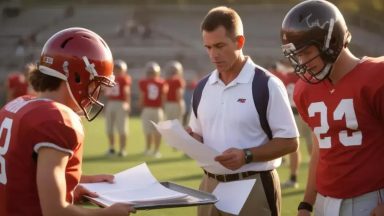
To maximize strength and speed for high school football, a structured 3-month off-season training guide is essential, focusing on progressive overload, proper nutrition, and consistent recovery for optimal 2026 season readiness.
As the final whistle blows on one football season, the journey to the next begins. For high school athletes aiming to dominate the field in 2026, the off-season isn’t a break; it’s a crucial opportunity for growth. This comprehensive off-season football training guide will delve into the strategies and insights necessary to maximize your strength and speed, transforming potential into performance.
Understanding the Off-Season Training Philosophy
The off-season is a dedicated period for high school football players to develop foundational athletic qualities that are often neglected during the competitive season. It’s about systematically building a stronger, faster, and more resilient athlete, not just maintaining fitness. This philosophy emphasizes progressive overload, periodization, and a holistic approach to physical and mental preparation.
Without a structured plan, athletes risk overtraining, undertraining, or focusing on less effective methods. A well-designed off-season program like this 3-month guide ensures that every training session contributes meaningfully to the overarching goal of maximizing performance for the upcoming 2026 season. It’s a time for individual growth, addressing weaknesses, and enhancing strengths.
The Importance of Periodization
Periodization is the systematic planning of athletic or physical training. The goal is to maximize performance at specific times, minimize overtraining, and reduce injury risk. For high school football, this means breaking the 3-month off-season into distinct phases, each with specific objectives.
- Preparation Phase: Focus on general physical preparedness, building a base of strength and endurance.
- Strength/Hypertrophy Phase: Emphasize maximal strength development and muscle growth.
- Power/Speed Phase: Transition strength into explosive power and top-end speed.
- Pre-Competition Phase: Refine skills and maintain physical attributes, tapering towards the season.
By following these phases, athletes can avoid plateaus and ensure continuous improvement. Each phase builds upon the last, creating a cumulative effect that prepares the body for the demands of football. This structured approach is what separates casual training from elite athletic development.
Ultimately, the off-season training philosophy revolves around smart, deliberate work. It’s about understanding that every rep, every sprint, and every meal plays a role in creating the best possible athlete. This dedicated period allows for physical adaptations that are simply not possible during the intense in-season schedule, making it a critical component of any aspiring high school football player’s journey.
Month 1: Building the Foundation – Strength and General Physical Preparedness
The first month of your 3-month off-season training guide is dedicated to laying a robust foundation. This phase focuses on general physical preparedness (GPP) and initiating strength development. The goal isn’t to lift maximal weight immediately, but rather to perfect form, build muscular endurance, and establish a consistent training routine. This initial period is crucial for injury prevention and setting the stage for more intense work.
Exercises during this month should primarily be compound movements that engage multiple muscle groups. This approach maximizes efficiency and promotes overall athletic development. Proper nutrition and adequate rest are equally vital during this foundational month, as the body begins to adapt to increased physical demands.
Key Strength Exercises for Month 1
Focus on mastering the basics with exercises that build functional strength applicable to football. These movements will serve as the bedrock for more advanced training in subsequent months.
- Squats (Back Squat, Front Squat): Develops powerful legs and core stability, essential for blocking, tackling, and jumping.
- Deadlifts (Conventional, Romanian): Builds incredible posterior chain strength, critical for sprinting, explosive movements, and injury prevention.
- Bench Press: Strengthens chest, shoulders, and triceps, vital for pushing, blocking, and shedding defenders.
- Overhead Press: Improves shoulder strength and stability, important for throwing and absorbing impacts.
In addition to these core lifts, incorporate accessory exercises to target smaller muscle groups and improve joint stability. Examples include rows, pull-ups, lunges, and various core exercises. The emphasis should always be on control and executing each repetition with perfect form before increasing the load.
Alongside strength work, GPP activities like light jogging, dynamic stretching, and bodyweight circuits help improve overall conditioning and mobility. This holistic approach ensures that the athlete is not just strong, but also athletic and capable of moving efficiently on the field. The first month sets the tone for the entire off-season, making consistency and proper execution paramount.
Month 2: Maximizing Strength and Introducing Explosive Power
As you transition into the second month of your off-season football training, the focus shifts towards maximizing strength gains and introducing elements of explosive power. Building on the foundation established in Month 1, this phase involves increasing the intensity and volume of your lifts, while also incorporating exercises that teach your muscles to generate force quickly. The goal is to translate raw strength into functional power that can be directly applied to the football field.
This month is where you’ll see significant improvements in your lifting numbers and overall explosiveness. However, it’s imperative to maintain strict form to prevent injuries as the loads become heavier. Recovery strategies, including nutrition and sleep, become even more critical to support the increased training demands.
Advanced Strength and Power Lifts
Building on the compound movements from Month 1, Month 2 introduces variations and power-focused exercises. These movements are designed to develop the ability to produce maximum force in minimal time.
- Power Cleans/Snatches: Olympic lifts are excellent for developing full-body power, coordination, and explosiveness.
- Box Jumps: Enhance vertical jump power and reactive strength, crucial for contested catches and jumping for blocks.
- Medicine Ball Throws: Develop rotational power and core explosiveness, directly applicable to throwing, tackling, and change of direction.
- Weighted Carries (Farmer’s Walk, Zercher Carry): Build grip strength, core stability, and overall muscular endurance, beneficial for maintaining blocks and breaking tackles.
Alongside these power exercises, continue with your foundational strength lifts (squats, deadlifts, presses) but aim for heavier loads with fewer repetitions, focusing on maximal strength. This combination of heavy lifting and explosive movements creates a powerful synergy, preparing your body for the dynamic demands of football.
Additionally, integrate light plyometrics and speed drills into your warm-ups or as separate sessions. Short, intense sprints (10-20 yards) and agility cone drills will start to prime your nervous system for speed work. This progressive introduction ensures your body adapts safely and effectively, paving the way for peak performance in the final month.
Month 3: Speed, Agility, and Sport-Specific Conditioning
The final month of your 3-month off-season training guide is dedicated to refining speed, agility, and sport-specific conditioning. Having built a strong and powerful foundation, the objective now is to translate that raw strength and power into efficient, explosive, and agile movements directly applicable to high school football. This phase emphasizes high-intensity, short-duration work, focusing on quick bursts, rapid changes of direction, and sustained effort.
This month is about sharpening your athletic tools, ensuring that every movement on the field is optimized for performance. While strength maintenance is still important, the primary focus shifts to dynamic drills that mimic game situations. Injury prevention through proper warm-ups and cool-downs remains paramount.
Advanced Speed and Agility Drills
To truly maximize speed and agility, specific drills are essential. These exercises are designed to improve reaction time, acceleration, deceleration, and the ability to change direction fluidly.
- Sprint Mechanics Drills: Focus on proper arm drive, knee lift, and foot strike to optimize running efficiency. Drills like A-skips, B-skips, and high knees are crucial.
- Acceleration Sprints: Short bursts (10-40 yards) with maximal effort to improve initial quickness and burst speed.
- Agility Cone Drills (L-Drill, 5-10-5 Shuttle, W-Drill): These drills simulate game-like changes of direction, enhancing cutting ability and lateral quickness.
- Reactive Agility Drills: Incorporate partner-based or visual cue drills where athletes react to an external stimulus, mimicking defensive reads or offensive routes.
Alongside speed and agility, integrate sport-specific conditioning. This could involve interval training that mimics the stop-and-go nature of football, such as short sprints followed by active recovery. Consider incorporating light positional drills if permissible and safe, focusing on technique without contact.
Maintain your strength program, but perhaps reduce the volume slightly to prioritize recovery for your speed and agility work. The goal is to feel fast, fresh, and ready to perform. This final month ties everything together, ensuring you step onto the field for the 2026 season not just stronger and faster, but also more agile and football-ready than ever before. Celebrate your progress and trust in the systematic work you’ve put in.
Nutrition and Recovery: The Unsung Heroes of Off-Season Success
While intense training is crucial, the success of any off-season football training guide hinges significantly on proper nutrition and comprehensive recovery. These two components are not merely supplementary; they are foundational pillars that enable your body to adapt, grow stronger, and prevent injuries. Without adequate fuel and rest, even the most perfectly designed training program will yield suboptimal results, leading to fatigue, plateaus, and increased risk of burnout.
Think of nutrition as the building blocks for muscle repair and growth, and recovery as the time your body uses those blocks to rebuild itself stronger. Neglecting either aspect is akin to trying to build a skyscraper without enough materials or sufficient time for the concrete to set. For high school athletes, who are still growing and developing, these elements are even more critical.
Fueling Your Performance: Nutrition Essentials
A balanced diet is paramount for high school football players. It’s not about restrictive diets but about providing your body with the necessary macronutrients and micronutrients to support intense training and recovery.
- Protein: Essential for muscle repair and growth. Aim for lean sources like chicken, turkey, fish, lean beef, eggs, and dairy.
- Carbohydrates: Your primary energy source. Choose complex carbs like whole grains, oats, brown rice, sweet potatoes, and fruits to sustain energy levels.
- Healthy Fats: Important for hormone production and overall health. Avocados, nuts, seeds, and olive oil are excellent sources.
- Hydration: Crucial for performance and preventing cramps. Drink plenty of water throughout the day, especially before, during, and after workouts.
Avoid highly processed foods, excessive sugar, and unhealthy fats, as these can hinder recovery and overall health. Focus on whole, unprocessed foods to maximize nutrient intake. Consider consulting with a nutritionist if you need personalized guidance.
The Power of Recovery: Sleep and Active Rest
Recovery is where the magic happens. Your muscles don’t grow in the gym; they grow and repair while you rest. For high school athletes, 8-10 hours of quality sleep per night is non-negotiable. Sleep is when your body releases growth hormones and performs essential repair processes.
Active recovery, such as light stretching, foam rolling, yoga, or a leisurely walk, can also aid in reducing muscle soreness and improving flexibility without adding significant stress. Avoid intense workouts on rest days. Listen to your body; if you feel overly fatigued, an extra rest day might be more beneficial than pushing through. Prioritizing recovery ensures you’re fresh and ready for each training session, maximizing the effectiveness of your entire off-season program.
Injury Prevention and Mobility: Staying in the Game
For any high school football player, staying healthy is just as important as getting stronger or faster. An injury can derail months of hard work and severely impact performance during the season. Therefore, an effective off-season football training guide must integrate robust injury prevention strategies and a dedicated focus on mobility. This isn’t just about avoiding setbacks; it’s about optimizing your body’s ability to move efficiently and withstand the physical demands of the game.
Many common football injuries, such as hamstring strains, ankle sprains, and knee issues, can often be mitigated through proactive measures. Incorporating specific routines for flexibility, stability, and proper movement patterns can significantly reduce your risk, ensuring you arrive at camp fully prepared and resilient.
Dynamic Warm-ups and Static Stretching
Before every training session, a dynamic warm-up is crucial. This prepares your muscles, increases blood flow, and improves range of motion, reducing the likelihood of strains and tears.
- Arm Circles and Swings: Loosen shoulders and upper back.
- Leg Swings (Front/Back, Side-to-Side): Improve hip mobility and hamstring flexibility.
- Torso Twists: Enhance core rotation and spinal mobility.
- High Knees and Butt Kicks: Activate leg muscles and improve coordination.
After your workout, static stretching helps to lengthen muscles, improve flexibility, and aid in recovery. Hold each stretch for 20-30 seconds, focusing on major muscle groups worked during the session. Examples include hamstring stretches, quad stretches, hip flexor stretches, and chest stretches.
Foam Rolling and Prehab Exercises
Foam rolling is an excellent self-myofascial release technique that can help break up muscle knots, improve blood flow, and reduce soreness. Spend 5-10 minutes before or after workouts targeting areas like the quads, hamstrings, glutes, IT band, and back.
Prehab (prehabilitation) exercises are preventative measures designed to strengthen supporting muscles and improve joint stability. These are often small, targeted movements that can have a big impact on injury prevention.
- Band Walks (Lateral, Monster): Strengthen hip abductors and glutes, crucial for knee stability.
- Rotator Cuff Exercises (Internal/External Rotation): Protect shoulder joints, vital for throwing and tackling.
- Ankle Mobility Drills: Improve ankle flexibility and stability, reducing sprain risk.
- Core Stability Exercises (Planks, Bird-Dogs): A strong core supports the entire kinetic chain, protecting the spine and improving overall movement.
By consistently integrating these injury prevention and mobility practices into your 3-month off-season training, you’re not just enhancing performance; you’re building a more durable and resilient athlete. Prioritizing your body’s health ensures that all the strength and speed gains you make can actually be showcased on the field when it matters most.
Mental Toughness and Strategic Preparation for 2026
Beyond the physical grind, the off-season is an opportune time to cultivate mental toughness and engage in strategic preparation for the 2026 high school football season. While strength and speed are undeniably critical, they are only part of the equation. A strong mindset, the ability to perform under pressure, and a deep understanding of the game can often be the deciding factors between good and great athletes. This aspect of off-season football training is about developing the intangible qualities that elevate your game.
Mental preparation involves more than just showing up; it means actively engaging in visualization, goal setting, and self-assessment. Strategic preparation includes film study, understanding your position’s nuances, and even improving academic performance, as eligibility is a non-negotiable factor. This holistic approach ensures you are not only physically ready but also mentally sharp and strategically astute.
Cultivating a Winning Mindset
Mental toughness is a skill that can be developed, just like any physical attribute. It involves discipline, resilience, and a positive outlook, even when faced with challenges.
- Goal Setting: Establish clear, achievable goals for the off-season and the upcoming season. Break them down into smaller, actionable steps.
- Visualization: Regularly visualize yourself executing plays perfectly, overcoming challenges, and achieving success on the field.
- Positive Self-Talk: Replace negative thoughts with positive affirmations. Believe in your abilities and your hard work.
- Resilience Training: Embrace discomfort during training. Pushing through tough sets or sprints builds mental fortitude for game situations.
Practicing mindfulness or meditation can also help improve focus and manage pre-game anxiety. The ability to stay calm and focused under pressure is a hallmark of elite athletes, and the off-season provides the quiet space to develop this crucial skill.
Strategic Game Preparation
Strategic preparation means understanding the game beyond your physical role. It involves becoming a student of football, not just a player.
- Film Study: Watch college and professional games, focusing on players in your position. Analyze their techniques, movements, and decision-making.
- Understand Your Role: Deepen your knowledge of your position’s responsibilities within different offensive and defensive schemes.
- Academic Excellence: Maintain strong grades. Eligibility is paramount, and academic discipline translates to on-field discipline.
- Leadership Development: Take initiative, encourage teammates, and lead by example during off-season workouts.
By investing in your mental and strategic game during the off-season, you’re not just preparing your body; you’re preparing your mind to be a dominant force on the field. This comprehensive approach ensures that when the 2026 season arrives, you’re not just physically ready, but also mentally and strategically superior, capable of making smart decisions under pressure and leading your team to success.
| Key Aspect | Brief Description |
|---|---|
| Month 1: Foundation | Focus on general physical preparedness, proper form, and building muscular endurance with compound lifts. |
| Month 2: Strength & Power | Maximize strength gains with heavier loads and introduce explosive power exercises like Olympic lifts and box jumps. |
| Month 3: Speed & Agility | Refine sprint mechanics, acceleration, and change-of-direction skills with sport-specific drills. |
| Nutrition & Recovery | Essential for muscle repair, growth, and injury prevention; includes balanced diet, hydration, and 8-10 hours of sleep. |
Frequently Asked Questions About Off-Season Football Training
Ideally, a high school football player should train 4-5 days a week during the off-season. This allows for adequate stimulus for growth and sufficient rest for recovery. The training split should vary across the 3 months, balancing strength, speed, and agility sessions.
The most important aspect is consistency and a structured, progressive plan. While strength and speed are key outcomes, consistently adhering to a well-designed program that includes proper nutrition, recovery, and injury prevention is paramount for long-term success and maximizing potential for the 2026 season.
While gaining lean muscle mass is beneficial, the focus should be on building functional strength and athleticism, not just weight. A clean bulk with proper nutrition is better than simply gaining weight. The goal is to improve strength-to-weight ratio and overall power, which enhances on-field performance.
Injury prevention is crucial. Focus on proper exercise form, incorporate dynamic warm-ups and static stretching, use foam rolling, and include prehab exercises for stability. Adequate rest, hydration, and a balanced diet also play significant roles in keeping your body resilient and reducing injury risk.
Absolutely. Mental preparation, including goal setting, visualization, and strategic film study, is equally vital. Developing mental toughness, resilience, and game intelligence during the off-season will give you a significant edge, allowing you to perform optimally under pressure and make smart decisions on the field.
Conclusion
The 3-month off-season period is a transformative window for any high school football player aspiring to excel in 2026. By meticulously following a structured program that prioritizes foundational strength, explosive power, refined speed, and agility, athletes can unlock their full potential. Crucially, success isn’t solely built in the weight room or on the track; it’s equally forged through diligent nutrition, comprehensive recovery, proactive injury prevention, and unwavering mental fortitude. This holistic approach ensures that come game day, players are not just physically prepared, but also mentally sharp and strategically astute, ready to dominate the field and achieve their football aspirations.