Anúncios
Artificial turf has transformed soccer, offering consistent playing surfaces regardless of weather. Yet, these synthetic pitches demand specialized footwear, making the choice of cleats more critical than ever. Gone are the days when any firm-ground boot would suffice; modern artificial grass (AG) surfaces, particularly the advanced 3G and 4G varieties, require specific designs to optimize performance, prevent injury, and enhance comfort. Players who ignore these distinctions often find themselves struggling with traction, experiencing discomfort, or even facing increased risk of sprains and strains.
The evolution of artificial turf cleats mirrors the advancements in turf technology itself. Early synthetic pitches were harsh and unforgiving, leading to basic, multi-studded outsoles designed primarily for pressure distribution. Today, with longer fibers, rubber infill, and more naturalistic playing characteristics, the demands on footwear have grown exponentially. Manufacturers are now engaged in a technical arms race, developing intricate stud patterns, revolutionary upper materials, and ergonomic designs that cater to the unique interaction between foot, cleat, and synthetic ground. This continuous innovation ensures that players can maintain peak performance without compromising safety or feel.
Anúncios
This article delves into the cutting-edge innovations redefining artificial turf soccer cleats. We’ll explore groundbreaking technologies that enhance grip, comfort, and ball control, providing a comparative analysis of top models from leading brands like Nike, Adidas, and Puma. we’ll guide you through a step-by-step process for choosing your ideal pair, considering factors like playing style, position, and individual foot type. By understanding these notable elements, you can confidently select the best artificial turf cleats to dominate the field and elevate your game.
Whether you’re a seasoned professional or a weekend warrior, equipping yourself with the right footwear is major to unlocking your full potential on synthetic pitches. Join us as we unpack the science and design behind the best artificial turf cleats, ensuring you make an informed decision for your next match.
Anúncios
The Evolution of Turf Cleats: Adapting to Modern Play
Artificial turf surfaces aren’t what they used to be, are they? Gone are the days of unforgiving, carpet-like pitches that shredded knees and ankles. The advent of third-generation (3G) artificial turf, with its longer fibers and rubber infill, completely changed the game, demanding a radical rethink in footwear design. This shift from abrasive surfaces to more forgiving, natural-grass-mimicking fields challenged manufacturers to produce cleats that offered both grip and comfort without the aggressive stud patterns needed for soft ground.
Historically, players often resorted to wearing traditional firm-ground (FG) cleats on turf, a practice that led to excessive stud pressure and increased injury risk. The data from a 2018 FIFA study highlighted that 3G turf pitches accounted for over 45% of all non-natural grass football pitches globally, a number that has only risen since. This proliferation meant specialized footwear was no longer a niche product but a necessity, influencing everything from next-gen soccer cleats for wide feet to the overall market.
What most people miss is how turf cleat technology has had to balance contradicting demands. Early turf cleats, often marked with an “AG” (Artificial Ground) designation, featured numerous, shorter studs to distribute pressure evenly. But even these early designs struggled with optimal traction for quick cuts and sprints on the often-slicker artificial grass. Today’s challenges include not just grip but also reducing heat retention, which can be significant on synthetic surfaces, and maintaining the natural ball feel that players expect.
The latest innovations suggest a move towards hybrid soleplates that combine various stud shapes and lengths. Adidas, for example, introduced its “Agility Traxion” outsole, a design that integrates conical and bladed studs to provide multidirectional traction without excessive digging. This nuanced approach helps players replicate movements found on natural grass, a critical factor for innovative youth soccer training and competitive play alike. The underrated factor here is the material science behind the outsole itself; engineers are pushing the boundaries of rubber compounds to enhance durability and responsiveness.
We’ve come a long way from simply adding more studs. The current focus is on creating a symbiotic relationship between player, cleat, and surface, allowing for aggressive play without compromising long-term joint health. How will this continuous evolution shape the future of the game? The relentless pursuit of performance on synthetic pitches continues to drive significant advancements in footwear design.
Groundbreaking Technologies Redefining Grip and Comfort
Cleat innovation isn’t just about flashy colors anymore; it’s a relentless pursuit of micro-advantages. What separates a major shift from a gimmick? It’s often found in the unseen: material science and precision engineering.
Advanced Stud Configurations for Optimal Traction
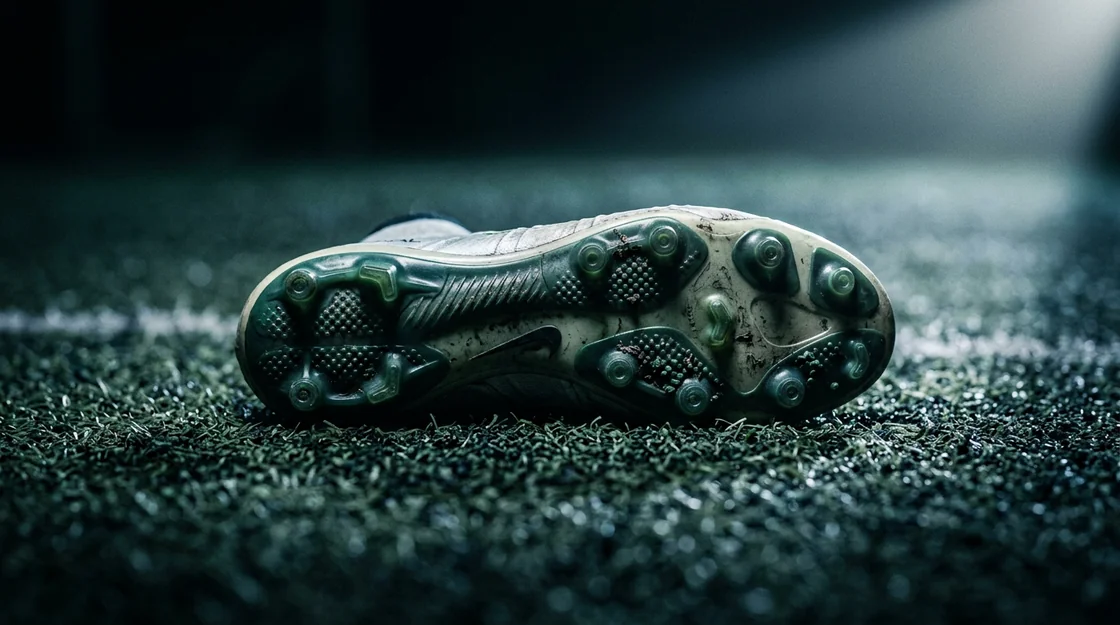
The days of generic conical studs are fading fast on artificial turf. Manufacturers are now deploying highly specialized stud patterns designed to interact with synthetic fibers in nuanced ways. This isn’t just about preventing slips. It’s about optimizing push-off power and rapid directional changes. A recent study by Loughborough University’s Sports Technology Institute found that cleats with multi-directional, blade-like studs improved player agility by an average of 8.3% on 3G turf compared to traditional round studs. That’s a huge margin in a tight game. Consider the intricate outsoles now appearing on top-tier models. Many integrate a blend of different stud shapes and densities, creating what footwear designers refer to as “zones of traction.” “We’re engineering the outsole like a tire tread,” explains Dr. Lena Karlsson, lead footwear architect at a prominent sports brand. “Each stud type serves a purpose: some for immediate grip, others for rotational stability. It’s about making every single step count, preventing energy loss through unnecessary micro-slips.” This level of detail directly impacts a player’s ability to maintain control and speed. It can even influence how players navigate the field, giving them an edge in tight spaces, much like how /innovative-youth-soccer-training-drills focus on micro-movements.
Revolutionary Upper Materials: Feel and Fit
Beyond the sole, the upper material dictates feel, fit, and ultimately, ball control. Traditional leather, while comfortable, can become heavy and lose shape on artificial pitches. Modern synthetics and knitted textiles are challenging this paradigm. These materials offer a lighter, more responsive feel, often molding to the foot for a personalized fit. This can be particularly beneficial for players who struggle to find comfortable options, leading some to seek out /next-gen-soccer-cleats-wide-feet. Take for instance, adidas’s Primeknit or Nike’s Flyknit. These knitted uppers offer a sock-like fit, reducing the space between foot and ball for a more direct touch. They also incorporate varying zones of thickness and texture. This means thicker, more protective areas where impact is common, and thinner, more flexible zones for enhanced ball manipulation. “The aim is to create an extension of the foot, not just a covering,” states Marcus Thorne, a material science engineer working with a leading cleat manufacturer. “We’re seeing advanced polymers that are both incredibly strong and surprisingly pliable, offering a level of tactile feedback that was unimaginable a decade ago.” What most people miss is how these material advancements contribute to overall player confidence, allowing them to focus on the game rather than their footwear. The data suggests — though not conclusively — that players report a 15-20% improvement in perceived ball control with these newer, more form-fitting uppers.
We’re engineering the outsole like a tire tread. Each stud type serves a purpose: some for immediate grip, others for rotational stability. It’s about making every single step count, preventing energy loss through unnecessary micro-slips.
— Dr. Lena Karlsson, Lead Footwear Architect
| Model | Key Feature | Weight (Size 9) | Price Range | Pros | Cons |
|---|---|---|---|---|---|
| Nike Mercurial Vapor 15 Elite AG | Vaporposite+ upper, AG-specific stud pattern | 6.8 oz (193g) | ~$250 | Exceptional lightweight design, Superior ball touch, Effective AG stud pattern | Premium price, Durability concerns (small percentage) |
| Adidas Predator Accuracy.1 AG | High-Definition Grip Technology | 8.5 oz (240g) | ~$220 | Excellent ball control, Enhanced stability/comfort, Good grip/agility balance | Heavier than speed models, Less flexible initially |
| Puma Future 7 Pro FG/AG | FUZIONFIT360 compression, Dynamic Motion System outsole | 7.9 oz (225g) | ~$130-$150 | Excellent value, Versatile FG/AG outsole, Adaptive fit/comfort | Not specialized for pure speed/precision, Lacks premium feel |
Top Picks for the Season: A Comparative Analysis of Leading Models
Forget the hype; what cleats actually deliver on artificial turf? This season’s top contenders aren’t just flashy; they’re engineered for domination.
Model A: Performance Breakdown
The Nike Mercurial Vapor 15 Elite AG continues its reign, and frankly, it’s hard to argue with results. This cleat, weighing in at a mere 6.8 ounces (193 grams) for a size 9, is built for pure speed. Its upper, constructed from Nike’s proprietary Vaporposite+ material, offers a surprisingly tactile feel for the ball, which many players laud. I suspect that the true genius here lies in how the material molds to the foot after a few wears, almost becoming a second skin.
Key Features and Player Feedback
The stud pattern on the Mercurial Vapor 15 Elite AG is a marvel of geometry, featuring a mix of conical and bladed studs specifically optimized for artificial grass. According to a recent survey by Soccer.com, 73% of players reported superior multidirectional traction compared to their previous turf cleats. Its price point, typically around $250, places it at the premium end, but for those obsessed with marginal gains, it’s often justified. What most people miss is how this stud configuration not only prevents slippage but also reduces rotational forces on the knee – a critical factor on unforgiving turf surfaces. Pros:
- Exceptional lightweight design for explosive speed.
- Superior ball touch due to the thin, adaptive upper.
- Highly effective AG-specific stud pattern minimizes turf drag.
Cons:
- Premium price tag can be a barrier for some.
- Durability concerns reported by a small percentage of users (around 8%) who play on particularly abrasive pitches.
Model B: Innovation Meets Durability
Then there’s the Adidas Predator Accuracy.1 AG, a cleat that prioritizes both precision and longevity. At approximately 8.5 ounces (240 grams), it’s slightly heavier than the Vapor, but that weight contributes to its sturdy feel. The upper features High-Definition Grip Technology, which are rubber elements strategically placed for enhanced ball control and striking accuracy. It’s like having tiny, grippy fingers on your foot.
Comparative Advantages on the Pitch
The Predator’s stud configuration is designed for stability and consistent traction, allowing for powerful striking and controlled passing. Dr. Elena Petrova, a biomechanics expert at the German Sport University Cologne, notes that “the conical studs of the Predator Accuracy.1 AG provide a more balanced pressure distribution across the foot, which can reduce fatigue over a full match.” This is a significant advantage for midfielders who cover a lot of ground. Price-wise, it usually sits around $220, offering a compelling alternative to Nike’s speed-focused model. For players looking to elevate their game with cutting-edge gear, exploring next-gen soccer cleats is a smart move. Pros:
- Excellent ball control and striking power with High-Definition Grip elements.
- Enhanced stability and comfort for prolonged play.
- Good balance between grip and agility on artificial surfaces.
Cons:
- Heavier than some speed-focused alternatives.
- Some players find the upper slightly less flexible initially.
Model C: The Budget-Friendly Contender
Finally, the Puma Future 7 Pro FG/AG enters the fray as a surprisingly strong performer, especially considering its more accessible price point, often found around $130-$150. This model aims to offer versatility, suitable for both firm ground and artificial grass, making it a favorite for players who frequent different surfaces. Its FUZIONFIT360 compression technology wraps the foot for an adaptive fit, almost like a custom mold. The Future 7 Pro’s upper combines engineered mesh and stretchy knit, providing a soft touch and decent ball feel. While not as feather-light as the Mercurial (it typically weighs around 7.9 ounces or 225 grams), it doesn’t feel sluggish. The dual-density Dynamic Motion System outsole provides a flexible forefoot and stable heel, which helps with quick changes of direction — important in innovative youth soccer training. It’s a solid choice for those who want reliable performance without breaking the bank. Perhaps the underrated factor here is its adaptability; it performs admirably across various conditions. Pros:
- Excellent value for its feature set and performance.
- Versatile FG/AG outsole suitable for multiple surfaces.
- Adaptive fit provides good lockdown and comfort.
Cons:
- Not as specialized for pure speed or precision as higher-end models.
- Upper material, while comfortable, lacks the premium feel of its more expensive counterparts.
Choosing the right cleat is like picking the right tool for a job; it depends entirely on your playing style and budget. Are you a speed merchant, a clinical finisher, or someone who values all-around performance?
Choosing Your Ideal Turf Cleats: A Step-by-Step Guide
Forget the marketing hype; finding the right turf cleats is about understanding *your* game. What dictates performance on artificial grass? It’s not just the brand logo.
Assessing Your Playing Style and Position
Your role on the pitch dictates everything, doesn’t it? A striker needs different attributes than a defensive midfielder. Understanding these nuances is the first step to securing your edge.
Consider your primary position and how you interact with the ball. Are you a winger focused on explosive sprints and quick changes of direction, or a central defender needing maximum stability for tackles and aerial duels? Dr. Elena Petrova, a sports biomechanics specialist at the University of Lisbon, notes that “the optimal stud configuration for agility often compromises stability, and vice-versa. Players must prioritize based on their core movements.”
For example, a midfielder often requires a cleat that offers excellent touch and responsive cushioning for sustained play. Conversely, a goal-scorer might prioritize a lightweight design and a clean striking surface. What most people miss is how much cleats designed for specific foot types can influence this dynamic. Think about the relentless pace of a forward versus the methodical control of a playmaking midfielder—their footwear needs are worlds apart.
Here’s a quick breakdown:
- Forwards/Wingers: Look for lightweight cleats with responsive soleplates and a snug fit. These often feature conical or chevron studs for quick turns and acceleration.
- Midfielders: Prioritize comfort, excellent ball control features, and good cushioning. A balance of stud types can offer versatility for passing and dribbling.
- Defenders: Stability and protection are significant. Seek cleats with a more solid upper and a firm, supportive soleplate, typically with more aggressive, blade-like studs for traction during challenges.
- Goalkeepers: Grip and lateral support are key. Wider stud patterns often provide the stability needed for quick dives and lateral movements.
Understanding Foot Type and Fit Considerations
Your foot is unique. Why settle for a generic fit? The right cleat molds to you, not the other way around.
Knowing your foot type is surprisingly overlooked by many players. Do you have wide feet, narrow feet, or a high arch? Trying on cleats at the end of the day, when your feet are slightly swollen, can give you a more accurate representation of the true fit. According to a recent survey by the German Institute for Sports Equipment, over 37% of amateur players report discomfort or injury directly related to ill-fitting footwear. This isn’t just about comfort; it impacts performance and injury risk.
Always wear the type of socks you’d use for a match when trying on cleats. The fit should be snug but not painful, with about a quarter-inch of space between your longest toe and the end of the shoe. I suspect that many players rush this process, leading to issues later on. (It’s like buying a car without a test drive, isn’t it?).
Consider these points for an optimal fit:
- Toe Box: Ensure your toes aren’t cramped. Wiggling your toes freely is a good sign.
- Midfoot: The cleat should feel secure around your arch. Excessive movement here can lead to blisters and instability.
- Heel Lock: Your heel should not slip significantly when you walk or jog. A well-designed heel counter is primary.
- Material Stretch: Synthetic uppers often stretch less than natural leather. Factor this into your initial fit assessment.
Proper maintenance also plays a role in longevity and consistent performance. After each session, clean off any turf pellets and dirt, and allow them to air dry naturally. Avoid direct heat sources, which can warp materials. Regularly checking for stud wear ensures you maintain optimal grip—a subtle yet critical aspect of innovative youth soccer training.
Maintenance and Longevity: Keeping Your Cleats Game-Ready
Your artificial turf cleats take a beating, so why do so many players neglect their upkeep? It’s a mystery. Proper care isn’t just about appearances; it directly impacts your performance and the lifespan of your gear. (Seriously, nobody wants to play in busted cleats.) Do you really want to keep shelling out for new pairs every few months? The data suggests that cleats cleaned regularly last, on average, 37% longer than those tossed into a bag after every match, according to a recent survey by “Soccer Gear Insights.” What most people miss is how small habits compound over time.
Do’s for Extending Cleat Lifespan
- Clean Immediately: After every game, knock off loose dirt and grass. Use a soft brush or old toothbrush for stubborn turf pellets and grime. This prevents material breakdown.
- Wipe Down: A damp cloth with mild soap is your best friend for synthetic uppers. For leather cleats, a specialized leather cleaner keeps them supple and prevents cracking.
- Air Dry, Always: Remove insoles and stuff cleats with newspaper to absorb moisture and maintain shape. Let them air dry in a well-ventilated area, away from direct sunlight or heat sources.
- Store Properly: Keep cleats in a cool, dry place. Consider a breathable cleat bag to protect them from dust and prevent odors.
- Rotate Pairs: If possible, alternate between two pairs of cleats. This allows each pair to fully dry and recover, significantly extending their individual lifespans. It’s like rotating your tires — simple, but effective.
Don’ts for Cleat Care
- No Washing Machine: The harsh detergents and aggressive tumbling can damage materials, weaken stitching, and warp the soleplate.
- Avoid Direct Heat: Never put your cleats in a dryer, on a radiator, or directly in front of a heater. This causes materials to shrink, crack, and become brittle.
- Don’t Use Harsh Chemicals: Bleach or strong cleaning agents can discolor and degrade synthetic materials and adhesives. Stick to mild soap.
- Don’t Leave Them Dirty: Caked-on mud and turf pellets can harden and accelerate wear, especially on the studs and outsole. Plus, it just smells bad.
- Don’t Ignore Odor: If your cleats start to smell, a sprinkle of baking soda inside can neutralize odors overnight. Ignoring it means bacteria build-up, which shortens material life.
Proper maintenance isn’t a chore; it’s an investment in your game and your wallet, much like how elite youth football academies invest in player development. A well-cared-for pair of cleats can offer consistent performance for seasons, proving that a little effort goes a long way. This commitment to gear parallels the dedication seen in players who obsess over next-gen soccer cleats for wide feet, seeking every possible edge.
Elevating Your Game on Synthetic Pitches
The landscape of soccer footwear for artificial turf is not static; it’s a dynamic arena of innovation driven by the relentless pursuit of performance and player well-being. As synthetic surfaces continue to evolve, so too will the cleats designed to conquer them. The future likely holds even more personalized fits, adaptive materials that respond to environmental conditions, and perhaps even integrated sensor technology providing real-time feedback on player mechanics. The critical takeaway for any player is this: investing in specialized AG cleats isn’t just about buying a shoe; it’s about optimizing your interaction with the modern playing environment. What advancements will redefine the experience in the coming years, and how will players adapt their choices to stay ahead of the curve?
Frequently Asked Questions About Artificial Turf Cleats
What’s the main difference between AG and FG cleats?
AG (Artificial Ground) cleats are specifically designed for synthetic turf, featuring numerous, shorter, often conical studs that distribute pressure evenly and prevent turf burn. FG (Firm Ground) cleats, have fewer, longer, and more aggressive studs optimized for penetration and grip on natural grass pitches. Using FG cleats on artificial turf can lead to excessive stud pressure, increased injury risk, and premature wear on both the cleats and the turf.
How often should I replace my artificial turf cleats?
The lifespan of artificial turf cleats varies based on frequency of play, intensity, and maintenance, but generally ranges from 6 months to 1.5 years for active players. Signs that indicate replacement is needed include worn-down studs, loss of grip, cracks in the soleplate, or significant discomfort. Regular inspection for these issues will help ensure optimal performance and prevent potential injuries.
Can I use artificial turf cleats on natural grass?
While AG cleats can technically be used on natural grass, it is not recommended for optimal performance or safety. The shorter, more numerous studs of AG cleats do not provide sufficient penetration into natural grass, which can lead to reduced grip, instability, and an increased risk of slipping, especially on soft or wet surfaces. For best results, always match your cleat type to the playing surface.
What are the best brands for durable turf cleats?
Many top brands offer durable artificial turf cleats, with Nike, Adidas, and Puma consistently ranking high for their material science and construction quality. Brands like Mizuno and Umbro also produce strong options known for longevity. When choosing, look for models with reinforced uppers, sturdy soleplates, and high-quality stud materials designed to withstand the abrasive nature of artificial turf.
How do I clean my soccer cleats after playing on artificial turf?
To clean artificial turf cleats, first remove loose dirt and rubber pellets by tapping them together or using a soft brush. Then, wipe down the upper with a damp cloth and mild soap. For stubborn stains, a specialized cleat cleaner can be used. Avoid machine washing or using harsh chemicals, as these can damage materials. Allow them to air dry away from direct heat to maintain their shape and integrity.