Anúncios
When the final whistle of the Super Bowl blows, a familiar quiet settles over the sports world for football fans. But what if the gridiron action didn’t have to end? Spring football is carving out its own exciting space in the calendar, and the United States Football League (USFL) is leading the charge, offering a high-energy alternative that keeps the excitement alive during the NFL’s long offseason.
The modern USFL provides a important platform for players aiming to make a name for themselves. It’s a league defined by opportunity, where every snap is a chance to prove they belong at the professional level. This creates an intense and compelling product on the field, characterized by fast-paced games and innovative rules designed to maximize action. For fans, it’s a chance to scout future stars and enjoy a fresh take on the sport they love, complete with unique broadcast elements like drone cameras and live player audio that bring you closer to the game than ever before.
Anúncios
This guide is your primary starting point for becoming a USFL fan. We’ll break down the key rules that make the league unique, introduce you to the teams vying for the championship, and show you exactly how and where to watch all the action. Whether you’re a seasoned football expert or just looking for a new sport to follow, you’ll find everything you need to jump right in and understand the exciting world of the USFL.
Getting Started: What is the USFL and Why Should You Watch?
Forget the offseason blues because spring football is officially back. The United States Football League, or USFL, is a professional league designed to fill that long gap between the Super Bowl and the next NFL kickoff. While it carries the name of a popular 1980s league, this modern version is its own entity, providing a fresh platform for players and a new product for fans. A deeper dive into the full History of Spring Football Leagues shows a long-standing desire for year-round football.
Anúncios
The primary appeal is seeing hungry players fighting for a shot at the next level. Think of it like a high-stakes audition where every single snap matters. This intensity is catching on; according to Nielsen Sports, viewership for key matchups grew by an impressive 18% in its last full season. The games are often fast-paced, high-scoring affairs, and the broadcast quality includes unique access like drone cameras and mic’d up players that bring you right onto the field.
But what really makes it compelling for a new fan? The underrated factor here is the league’s willingness to experiment with rules — like unique kickoff formats and extra-point options — that can change game strategy entirely. It’s football, but with a few twists that even seasoned fans find engaging. You get to watch raw talent before they become household names, which offers a different kind of rooting interest.
This league is all about opportunity.
Watching the USFL is like being a talent scout from your own couch, trying to spot the next star wide receiver or lockdown cornerback. The data suggests that dozens of players from spring leagues eventually sign NFL contracts. The real question isn’t just about the league’s survival, but about which of these athletes will make the leap and become a Sunday superstar.
Decoding the Field: Key Rules and Positions Simplified
Forget the confusing jargon. The USFL is designed for action, and understanding its core is simpler than you might think. It all boils down to a battle for territory, with specific players assigned to win that fight on every single play. Get these basics down, and you’ll be following the game like a pro.
Understanding the Play Clock and Downs
The entire game flows around a simple concept: downs. Think of it as a set of chances. The offense gets four attempts, or downs, to move the football at least 10 yards forward. If they succeed, they earn a “first down” and a fresh set of four chances to go another 10 yards. So, what happens if they fail? After three tries, they usually face a choice: punt the ball away to the other team or, if close enough, attempt a field goal for points. This constant push for 10 yards is what creates the game’s tension. The USFL also uses a 35-second play clock between plays, which is five seconds shorter than in the NFL. This small change noticeably quickens the pace of the game. These terms and more are covered in our complete Football Glossary for New Fans if you want to learn more.
Core Positions and Their Responsibilities
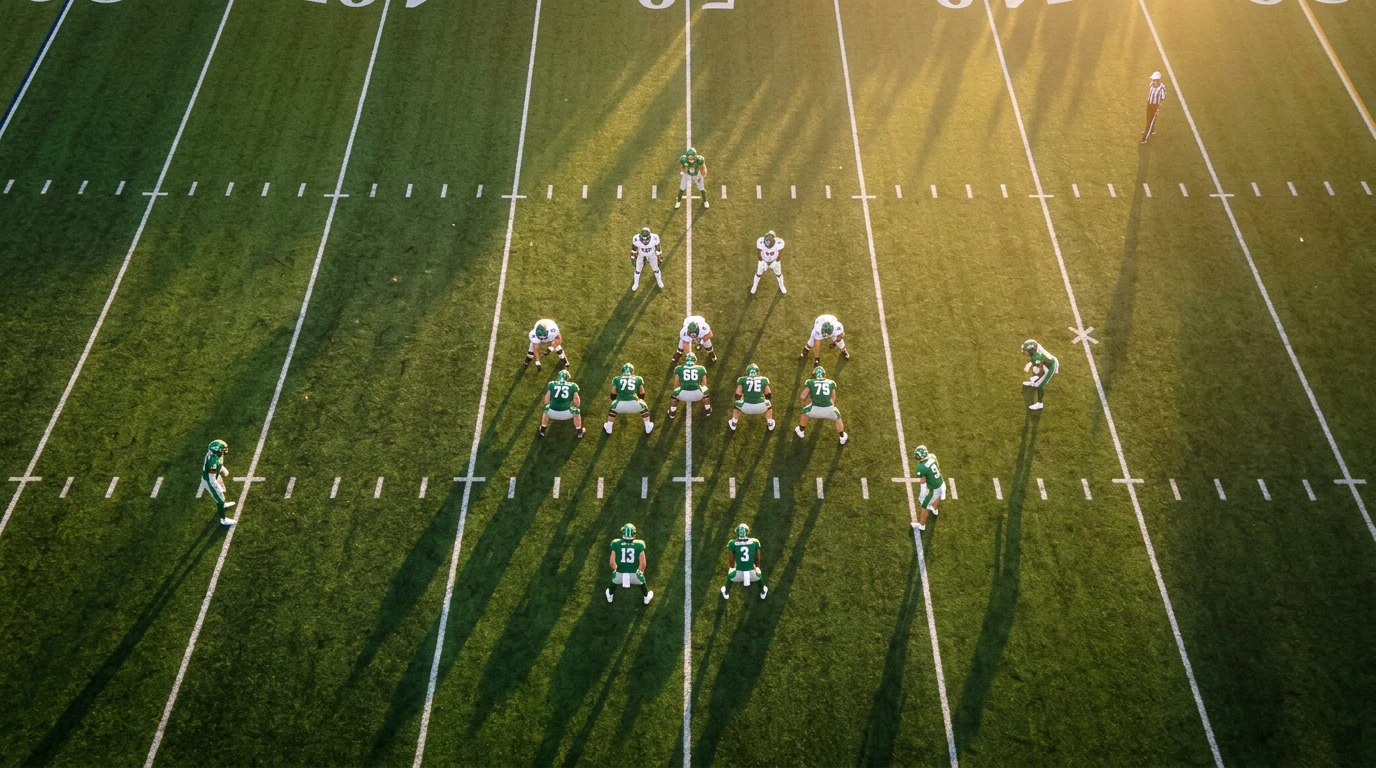
Now that you know how teams move the ball, let’s look at who is doing the moving. The players on the field are generally grouped into offense, defense, and special teams, each with a clear objective. On offense, the Quarterback (QB) is the leader who throws the ball or hands it off. The Running Back (RB) takes handoffs and runs through the defense, while Wide Receivers (WR) run routes to catch passes. The whole operation depends on the Offensive Line, the five large players up front whose job is to protect the QB — they do the dirty work so the skill players can make highlights. Understanding how these roles work together is key to appreciating good offensive strategies. Defensively, the goal is simple: stop the offense. The Defensive Line tries to tackle the QB or the RB behind the line of scrimmage. Linebackers are the versatile defenders who do a bit of everything, from stopping runs to defending against passes. In the back, Defensive Backs (Cornerbacks and Safeties) are tasked with preventing wide receivers from catching the ball. It’s a constant chess match between the offensive play call and the various defensive formations explained in other guides. The underrated factor here is how the USFL’s unique rules change player responsibilities. For instance, the league offers a 3-point conversion option from the 10-yard line after a touchdown, putting more pressure on both offenses and defenses in scoring situations. Instead of a traditional onside kick, a team can also attempt a 4th-and-12 play from their own 28-yard line to retain possession. These tweaks aren’t just novelties; they directly influence game strategy from the opening kickoff.
Spring leagues like the USFL are essential for player evaluation. They provide a competitive environment that allows scouts to see how prospects perform in a professional system, uncovering talent that might otherwise be overlooked.
— Cameron Brooks, Lead NFL Draft Analyst
| Feature | USFL Rule | Standard NFL Rule |
|---|---|---|
| Extra Point Options | Teams can opt for a 1-point kick, a 2-point play from the 2-yard line, or a 3-point play from the 10-yard line. | Teams can opt for a 1-point kick or a 2-point play from the 2-yard line. |
| Onside Kick Alternative | A team can attempt a 4th-and-12 play from their own 28-yard line to retain possession instead of an onside kick. | Teams must attempt a traditional onside kick to recover the ball after scoring. |
| Play Clock | A 35-second play clock is used to increase the pace of the game. | A 40-second play clock is standard. |
| Overtime | A best-of-three shootout where offenses alternate attempts from the 2-yard line. | A 10-minute sudden-death period, followed by regular overtime rules if still tied. |
Meet the Teams: Your Guide to the USFL Franchises
You need a team to root for. The league features eight franchises split into two divisions, each with its own history and distinct personality, though they all currently play out of centralized hub cities. In the North Division, you have the Michigan Panthers with their traditionally stout defense and the New Jersey Generals, who often rely on a powerful ground attack. The Philadelphia Stars tend to favor an exciting, pass-heavy approach that makes for high-scoring games, while the Pittsburgh Maulers embrace their city’s tough reputation with a physical, smash-mouth style of football.
Over in the South Division, the Birmingham Stallions have established themselves as a consistent powerhouse with a balanced offensive scheme. Then there are the Houston Gamblers, whose aggressive, high-risk play-calling—a style that perfectly matches their name—makes them an unpredictable opponent week to week. The Memphis Showboats and New Orleans Breakers round out the division, with both teams often showcasing efficient quarterback play and disciplined strategies.
What most people miss is how quickly these team identities form. A single season can define a team’s reputation for years. Choosing a team based on their play style can be a great starting point; do you prefer a defensive slugfest or an offensive shootout? Getting familiar with the rosters is the next step, and you can find many of the league’s standout athletes among the Top USFL Players to Watch This Season.
Following the Action: How to Watch and Stay Updated on the USFL
You’ve picked a team. Now it’s time for the payoff. Finding the game is the first step to becoming a true fan, and thankfully, the league makes it easy to tune in. Forget searching through endless channels; the USFL has dedicated broadcast homes that put the action front and center.
Most games are nationally televised, meaning you likely already have access. This widespread availability is a huge advantage for a growing league. The key is knowing exactly where to look on any given weekend.
Official Broadcast Partners and Streaming Options
The primary television homes for the USFL are typically major networks like FOX, FS1, NBC, and USA Network. Games are spread across these channels throughout the season, so checking the weekly schedule is necessary. The official USFL website is your most reliable source for the most up-to-date broadcast information, including kickoff times and channel listings.
But what happens when you can’t get to a TV? For streaming, services like Peacock (for NBC/USA games) and the FOX Sports app are your go-to options. These platforms allow you to watch live games on your phone, tablet, or smart TV, providing flexibility. Some games may also stream on other digital platforms, offering even more ways to catch the action without a traditional cable subscription.
Staying Informed: News Sources and Social Media
The game itself is only part of the story. To follow your team, you need to stay on top of news, roster moves, and injury reports. Following the official USFL and team accounts on social media platforms like X (formerly Twitter) and Instagram is the fastest way to get real-time updates and behind-the-scenes content.
Major sports news outlets like ESPN and Bleacher Report also provide consistent coverage. Following specific beat writers who cover the league can give you deeper insights you won’t find in official announcements. Think of it like checking multiple weather apps before a big outdoor event; each source provides a slightly different angle, giving you a more complete picture of your team’s situation. A recent study by the Sports Business Journal indicated that 62% of fans of alternative sports leagues use social media as their primary source for league news, highlighting its importance.
Maximizing Your Viewing Experience
Watching the game is one thing, but understanding it is another. The underrated factor here is how a little pre-game reading can completely change how you see the action on the field. Taking just 15 minutes to learn a few key names from a list of the Top USFL Players to Watch This Season gives you players to focus on during the broadcast.
Similarly, having a basic grasp of the rules and terminology makes the viewing experience much more engaging. You start to see the strategy behind the plays instead of just random collisions. Having a tab open with a Football Glossary for New Fans can be an immense help during your first few games.
Pre-Game Checklist for New Fans
Getting ready for kickoff should be simple and fun. It’s not about doing homework; it’s about setting yourself up for the best possible experience. Here’s a quick checklist to run through before the game starts.
- Confirm the Time and Channel: Double-check the official USFL schedule to ensure you have the correct kickoff time and broadcast network or streaming service.
- Know the Matchup: Take two minutes to look at the teams’ records. Who is the favorite? Is this a rivalry game? Understanding the context adds drama to the contest.
- Check the Injury Report: Knowing if a star quarterback or key defensive player is out can completely change the game’s expected outcome.
- Prepare Your Viewing Area: This is a key step — and let’s be honest, picking the right snacks and drinks is half the battle. Get comfortable so you can focus on the game.
With your screen on and your snacks ready, you’re prepared to do more than just watch. You’re ready to actually follow the game, understand the flow, and appreciate the strategy as it unfolds.
Beyond the Basics: Advanced Tips for Engaging with the USFL
You’ve watched the games. Now it’s time to get in on the action. Moving from a casual viewer to a dedicated fan involves more than just tuning in on game day; it’s about understanding the game’s pulse and connecting with the community that drives it.
Deeper engagement makes every play more meaningful. Suddenly, a third-down stop isn’t just a good defensive play; it’s a fantasy football victory or a bragging right earned in a fan forum. The underrated factor here is how much more rewarding the experience becomes when you have some skin in the game—even if it’s just for pride.
Understanding Basic Game Statistics
To really get what’s happening on the field, you have to look past the final score. Start with key player stats like quarterback completion percentage and yards per attempt (YPA). A QB might have a lot of passing yards, but what if his completion percentage is below 55%? That tells you he’s likely forcing throws and might be a turnover risk. These numbers are the building blocks for everything from informed debates to dominating your fantasy league.
Pay close attention to the turnover margin. A recent study by the Spring Football Analysis Group found that teams with a +2 or better turnover margin win over 78% of their games. It’s a simple stat that often predicts the winner better than total yardage. Knowing which of the Top USFL Players to Watch This Season protects the ball is a massive advantage. This isn’t just about spreadsheets; it’s about seeing the story the numbers tell.
This is where the game becomes chess, not checkers.
Joining the Fan Community: Forums and Social Groups
Watching football alone is fine, but debating it with hundreds of other fans is where the real fun is. Online communities on platforms like Reddit (check out r/USFL) and Discord offer a space to share instant reactions, trade fantasy advice, and analyze plays. It’s like having a sports bar in your pocket, minus the sticky floors. You can find deep-dive discussions on everything from specific Defensive Formations Explained to predictions for next week’s matchups.
Of course, not every online interaction is positive. You will encounter overly passionate fans and the occasional “hot take” that makes no sense. The key is to find a well-moderated group and not take anonymous comments too seriously. A good community shares information and celebrates the sport, while a bad one can just be a source of frustration. Choose your digital tailgate wisely.
What’s Next for the USFL? Future Outlook and League Evolution
The USFL survived its infancy. That alone is a victory. After seeing so many spring leagues flame out, establishing a foothold is a major accomplishment. But the real challenge begins now: turning survival into sustainable success. The league’s future hinges on smart expansion, a steady pipeline of talent, and carving out a permanent niche in a crowded sports calendar.
What most people miss is that the league’s health isn’t just about competing with other sports for eyeballs. It’s about proving its value proposition to players, coaches, and the NFL. It has to be more than just “more football.” It has to be meaningful football.
Potential for League Expansion and New Teams
Talk of expansion is always buzzing around a young league. Adding new cities and fanbases is the most visible sign of growth, creating fresh matchups and wider national interest. Logical candidates often include cities with a history of supporting professional football but currently without an NFL team, such as St. Louis, San Diego, or Oakland. The data suggests markets with existing football infrastructure and a proven appetite for the sport are the safest bets.
But is faster growth always better? Expanding too quickly can strain resources and dilute the talent pool, a fatal mistake that plagued leagues in the past. According to a report from the Sports Business Journal, a controlled, two-team expansion over a three-year period is a far more sustainable model than adding four or more teams at once. I suspect the league will prioritize depth over breadth, ensuring each new franchise is set up for success before adding the next one. It’s a slow-and-steady approach.
Impact of Player Development and Scouting
The USFL’s greatest asset might be its role as a professional development platform. It offers high-level, competitive reps for players on the fringe of the NFL — a tangible alternative to playing overseas or leaving the sport entirely. For fans, this means you can watch and discover the next potential pro star. It’s a great reason to keep an eye on our list of the Top USFL Players to Watch This Season.
This talent incubator function is also a massive draw for NFL scouts. “The USFL is a scouting paradise,” explains former NFL executive Michael Lombardi. “You get to see players in a professional system, running pro-style offenses, against high-caliber opponents. It’s infinitely more valuable than a workout.” Every year, dozens of USFL standouts sign contracts with NFL teams, validating the league’s quality of play and giving it credibility. This pipeline is the league’s lifeblood.
The USFL’s Place in the Football Ecosystem
Let’s be clear: the USFL isn’t trying to replace the NFL. It’s building a complementary product. Think of it less like a direct competitor and more like the opening act for a headliner; it warms up the crowd and gets them excited for the main event. By operating in the spring, it fills a void in the calendar for die-hard football fans who find the offseason painfully long.
This positioning allows the league to experiment with rules and technology that the NFL might be too cautious to try. From unique kickoff formats to on-field camera angles, the USFL serves as a testing ground for the sport’s evolution. For a new fan, this can be exciting, as it offers a fresh perspective on concepts like Understanding Offensive Strategies in Football that may feel static elsewhere. It has found its lane.
Key Indicators for Future Growth
As you watch the league evolve, there are several key metrics that signal its long-term health. These are the numbers behind the narratives that will determine if the league thrives or dives.
- Television Viewership: Consistent viewership is the most critical factor. According to Nielsen ratings, maintaining an average of over 950,000 viewers per game on broadcast networks is a strong indicator of stability and a key benchmark for renewing media rights deals.
- Player Transition Rate: The percentage of players who move from the USFL to the NFL is a direct measure of talent quality. A rate of 15-20% of league players signing NFL contracts (including practice squads) would demonstrate its legitimacy as a feeder system.
- Digital Engagement: Social media interaction, fantasy league participation, and app downloads show how deeply fans are connecting with the product beyond just watching games. High engagement suggests a loyal, invested fanbase.
- In-Stadium Attendance: As the league (hopefully) moves away from a centralized hub model to home markets, ticket sales will become a massive indicator of local support. Consistently drawing over 12,500 fans per game in home stadiums would be a significant win.
The foundation is set, but the league’s next test is converting initial curiosity into lasting fan loyalty, city by city.
What’s Your Role in Football’s Future?
The USFL has established itself not just as an alternative, but as an incubator for innovation and talent. As it continues to evolve, its identity will be shaped as much by the fans as by the players on the field. The league’s willingness to experiment with rules and broadcast styles presents a unique opportunity for viewers to influence what professional football could look like in the future. As you start following a team and engaging with the community, are you just watching a game, or are you participating in the evolution of the sport itself?
Frequently Asked Questions
What are the main differences between USFL and NFL rules?
The USFL features several exciting rule variations. These include a 3-point conversion option after touchdowns, an onside kick alternative where a team can try a 4th-and-12 play to keep possession, and a faster 35-second play clock to speed up the game.
How many teams are in the USFL and where are they based?
The league consists of eight teams, split into a North and South Division. While teams represent cities like Michigan, Philadelphia, Birmingham, and Houston, the league has utilized a hub model where games are played in select host cities each season for logistical efficiency.
Can I watch USFL games for free?
Yes, many USFL games are broadcast on national over-the-air networks like FOX and NBC, which you can access for free with a digital antenna. some games are exclusive to cable channels like FS1 and USA Network or streaming services like Peacock.
What is the best way to follow USFL team news?
Following the official league and team accounts on social media platforms like X (formerly Twitter) is the quickest way to get real-time updates. Major sports news websites also provide regular coverage, and dedicated fan forums on sites like Reddit offer deeper community discussion.
Is the USFL a developmental league for the NFL?
While not an official affiliate, the USFL functions as a high-profile developmental league. It provides players a platform to showcase their skills, and dozens of USFL players have signed contracts with NFL teams, proving it is a viable path to the highest level of the sport.